Dux-The overview of minimum deposit, leverage, spreads
Abstract:Headquartered in London, England, Dux is allegedly a CFD broker that provides its clients with the worlds most widely used trading platform (MT4), variable leverage between 1:100 and 1:500 and low spreads on over 100 tradable assets.
General Information
Headquartered in London, England, Dux is allegedly a CFD broker that provides its clients with the worlds most widely used trading platform (MT4), variable leverage between 1:100 and 1:500 and low spreads on over 100 tradable assets.
Market Instruments
Dux advertises that it offers CFD trading of more than 100 trading instruments in financial markets, including forex, precious metals, crude oil and indices.
Account Types
Dux says it offers free demo accounts with $100,000, real accounts and VIP accounts only available for clients specialized in trading global financial investment products.
Leverage
Dux provides leverage ratio from 1:100 to 1:500. Most traders can choose any leverage ratio freely, while for Polish residents, the maximum leverage is 1:100. Bear in mind that leverage can magnify gains as well as losses, inexperienced traders are not advised to use too high leverage.
Trading Platform Available
When it comes to trading platforms available,Dux gives traders the worlds most popular MetaTrader4 platform. MT4 provides important analytical tools and indicators to help traders analyze dynamic prices in financial markets, conduct real-time transactions, and establish and use automated trading (EA systems). It represents an all-in-one concept and is currently the most popular trading terminal.
Deposit & Withdrawal
From the logos of payment methods showed at the bottom of home page on Duxs official website, we found that this broker seems to accept deposit and withdrawal via VISA, MasterCard, Skrill and Neteller.
Customer Support
Duxs customer support can be reached through official QQ: 2782567680, email: service@duxmarkets.com or chat online. Company address: UNIT G25 WATERFRONT STUDIOS, 1 DOCK ROAD, LONDON, UNITED KINGDOM, E16 1AH.

Read more
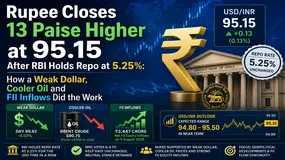
Rupee Ends 13 Paise Up at 95.15 After RBI Holds Repo at 5.25%: The Effect of a Weak USD, Cooler Oil
The Indian rupee settled at 95.15 against the US dollar on 5 August 2026, gaining 13 paise after the Reserve Bank of India's Monetary Policy Committee voted 6-0 to keep the repo rate unchanged at 5.25 percent for the third time in a row in FY27. The rupee had opened 46 paise higher, rallied to an intraday strongest of 94.89 ahead of the policy decision, and then drifted back as RBI Governor Sanjay Malhotra noted that the currency 'has not appreciated as intended despite the high flows from foreign shores.' A weak dollar index, a sharp pullback in Brent crude from above USD 100 in July, and net FII equity inflows of Rs 2,447 crore on Tuesday combined to support the rupee. USD-INR is expected to trade in a 94.80-95.50 band in the near term.

Errante Review 2026: Users Claim a Poor Trading Experience. What Does Our Investigation Reveal?
Errante, a Seychelles-based brokerage entity, is facing serious trading allegations from users globally. Users claim to have earned profits legitimately using their strategies. However, on the Errante login dashboard, many users reported an automatic deduction of earned profits. At the same time, withdrawal issues allegedly haunt many traders here. While investigating, we also found complaints concerning trade order manipulations by the broker. In this Errante review, we have examined these allegations and given an overview of its regulatory status.
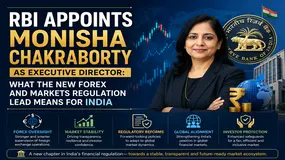
Monisha Chakraborty Appointed as RB Executive Director: What Does This Mean for India's FX Market?
The Reserve Bank of India has appointed Monisha Chakraborty as Executive Director with effect from 3 August 2026; she will oversee the Foreign Exchange Department and the Financial Markets Regulation Department. Chakraborty is a career central banker with over three decades of experience in Supervision, Foreign Exchange, and Government and Bank Accounts, and previously served as Banking Ombudsman. This report explains the significance of the new RBI Executive Director appointment for forex regulation India, the scope of the Foreign Exchange Department and the Financial Markets Regulation Department, and what authorised persons, banks, and forex market participants should monitor as the new ED takes charge.
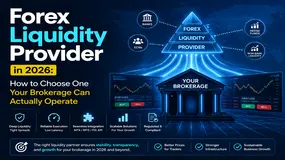
Forex Liquidity Provider in 2026: How to Choose One Your Brokerage Can Actually Operate
A forex liquidity provider decision now shapes the broker's spreads, fills, slippage, hedging cost, regulatory exposure, and exit options long after the platform is chosen. This 2026 guide explains what a forex LP actually delivers versus what the marketing claim says, how tier-1 banks, prime of prime, and multi-LP aggregators differ in practice, and how execution models (DMA, ECN, STP) change the broker's daily operating reality. It also walks through due diligence on credit, technology, reporting, governance, and exit, and shows how a 2026 broker can combine a primary LP with secondary routing without losing control of the client experience. Use the decision matrix, integration timeline, and operational tests to compare an fx liquidity provider before contract signature, not after a market event.
WikiFX Broker
Latest News
Trade24Seven Review: What Traders Should Know Before Depositing
 WikiFX
Luno Review: Unregulated Broker Warning After Frozen Accounts and Blocked Withdrawals
WikiFXOJK Revokes BTPN Syariah Ventura Licence, SMBC Speaks Out
WikiFXG4Trade Review: Withdrawal Warning Around a New Forex Broker
WikiFXRand Gains as Iran Talks and Soft US Jobs Data Hit Dollar
WikiFXGaitame Finest Review 2026: Regulation, MT4/MT5 Access, and User Feedback
WikiFXLOYAL PRIMUS Review: Accounts Frozen After Withdrawal Requests – What Traders Need to Know
WikiFXMetaTrader Basics: Place Your First Trade
WikiFXKeynes Investment Review: No Regulatory Licence Found, Should You Trust It?
WikiFXMoneta Markets Receives UAE Category 5 Licence
WikiFXRate Calc

