WikiFX report: INTERVIEW: Luno wants to work with CBN on crypto regulation, says Owen Odia
Abstract:The Central Bank of Nigeria issued a groundbreaking ban on cryptocurrency transactions in the banking sector a year ago. The prohibition was imposed by the apex bank to prevent it from being used for illegal purposes. The restriction required crypto exchanges to make significant changes to their operations, as several were unable to accept deposits or process withdrawals at the time. However, the Nigerian cryptocurrency sector has continued to grow, fueled by peer-to-peer trading and exchanges.
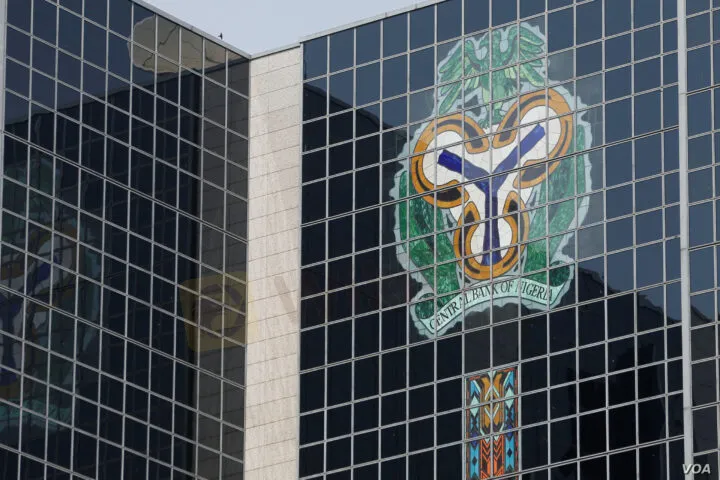
It‘s been a year since the Central Bank of Nigeria’s landmark ban on cryptocurrency transactions within the banking sector. The apex bank had said the ban was to curtail its use for illicit activities. The ban forced drastic changes in the operations of crypto exchanges as some could not accept deposits or process withdrawals at the time. But interestingly, the Nigerian crypto market has continued to boom, sustained by peer-to-peer trading and exchanges.
In this interview, WASILAT AZEEZ talks to Owenize (Owen) Odia, country manager for Nigeria at Luno, a global cryptocurrency exchange, about the impact of the ban, Nigerias eNaira, and the need for a robust crypto regulation in the country.
TheCable: In February 2021, the CBN banned banks from servicing crypto exchanges. How has this affected your operations?
Odia: Since the CBN‘s restrictions on withdrawals and deposits came into effect, we have been working tirelessly to give our customers’ access to their funds again without offloading our regulatory risks onto them.
With this in mind, we needed to evaluate every option very close — so we dont impact the industry negatively and avoid putting our customers and their funds at risk.
However, through our current solution, we‘re confident that we’ve managed to achieve this whilst delivering the safest and easiest-to-use solution to our customers.
TheCable: The CBN claims that cryptocurrencies are used for money laundering and terrorism financing. What are your thoughts on this?
Odia: One of the major misconceptions is that cryptocurrencies are mainly used by criminals, which is far from the case. It‘s an opinion that often arises because many people think Bitcoin is anonymous, when in fact, it’s the opposite — all Bitcoin transactions are transparent for the whole world to see.
People might not be able to link the identity of a person to their cryptocurrency transactions right away, but once they do, they can track everything youve ever done on a blockchain network, which makes it a particularly bad tool for illicit use.
However, whilst cryptocurrencies might actually turn out to be one of the safest ways to use money, it doesn‘t mean that criminals don’t use them. Just like normal money, they do.
But it‘s important to note that as more data becomes available in the industry, it’s becoming increasingly clear the number of bad uses is very, very minute. For example, according to Chainanalysis, less than 1 percent of cryptocurrency activity is illicit, and cryptocurrency scams are not as prevalent in Africa as they are in other regions.
If the entire cryptocurrency ecosystem was represented by a big mountain, the size of the bad parts would be a couple of rocks. Also, similar to any financial system, the risk of criminal activity can never be fully eliminated, it can only be merely mitigated, and cryptocurrencies have some of the best tools in the world for achieving this.
TheCable: How does Luno curb illegal activities on its platform?
Odia: Whilst we are not always required to do so, we act as if we are regulated in all of our markets. We apply stringent KYC (Know Your Customer) and AML (Anti Money Laundering) processes based upon laws and regulations in the financial services industry.
This is an approach that isnt common within the crypto sector.
In addition, Luno conducts financial audits, security audits, audits of reserves, and compliance audits. We invest heavily in advanced technology that allows our dedicated investigations team to access real-time, tech-driven insights, which means we can respond much more quickly to behaviour that has been identified as risky.
TheCable: What are the implications of the crypto ban on the Nigerian economy?
Odia: Due to the ban, trading activity has been pushed underground. Many Nigerians are now depending on less secure and transparent OTC (over the counter) channels as well as Telegram and Whatsapp groups where people trade directly with each other.
This also means that financial bodies now have a reduced level of visibility and control of the market and unfortunately it can expose consumers to a higher risk of being defrauded.
The irony is that millions of Nigerians still use their private bank accounts to buy cryptocurrency. However, they are now interacting directly with strangers, which removes any processes or controls that could protect their hard-earned money.
So, we have seen a spike in reported peer-2-peer volume, and data suggests it will continue to rise. It‘s important to note that the money also moves through the banking system, so it’s no different to the situation before when Nigerians could use trusted platforms such as Luno to buy crypto.
TheCable: In 2018, Luno engaged with the Malaysian government to set up a new cryptocurrency regulatory framework. Do you plan to replicate this in Nigeria? If yes, how?
Odia: In Malaysia, regulators blocked customers‘ funds for many months due to their concerns regarding the crypto sector; however, we managed to work alongside them and become the country’s first licensed exchange.
This highlighted the importance of a collaborative approach towards regulation, with authorities acknowledging the benefits of learning and working alongside industry, and we want to replicate this relationship with the CBN.
Regulators don‘t have an easy task. They have to get to grips with new technology — that very few and yet to understand — and are working with limited evidence of crypto’s impact on society.
So it is important to work alongside industry experts who understand the nuances of this technology, so they manage any eventual regulations and protect consumers without stifling the innovation weve seen over the last few years.
TheCable: Despite the emergence of e-naira, why is there still such a strong appetite for crypto in Nigeria?
Odia: Cryptocurrencies are rare assets that have huge potential to increase in value and certain coins, most notably Bitcoin, have unique characteristics that mirror one of the worlds most valuable assets — gold.
For example, similar to gold, Bitcoins supply is limited, and there are currently just over 16.2 million Bitcoins in circulation — the maximum that will ever exist is limited to 21 million. They are also malleable and can be broken down into smaller units without losing value as well as being impossible to counterfeit. These features make them a desirable asset to own for long term investment.
TheCable: Does cryptocurrency need to be regulated?
Regulation in the crypto industry is important for many reasons, but the chief among them is customer protection. It helps to protect the industry by lifting standards and implementing barriers to entry for operators with little regard for the safety of customers.
It is vital that customers are able to trust any company that is dealing with their finances, particularly a new sector like crypto.
Equally, for cryptocurrency platforms, the regulation also lays the groundwork to develop key stakeholder relationships critical to success, most notably those with banking institutions.
To date, these services have been difficult to obtain for those providing cryptocurrency platforms, with banks often citing a lack of regulatory certainty as giving rise to unacceptable risk. Should this risk be reduced, all parties would be able to benefit in a range of different ways and the experience for customers would be significantly improved.
TheCable: What is the future of cryptocurrency in Nigeria?
Odia: Nigeria is one of the worlds biggest users of cryptocurrency. According to Google Trends data, it ranks second globally for Google searches of Bitcoin over the last 12 months, which highlights its popularity across the country.
Since the global pandemic, there has been an entirely new audience looking at crypto for the first time and with the uncertainty caused by COVID-19, people are beginning to think beyond the tried and tested way of managing money and exploring new ways to get the most out of it.
If the last few years have taught us anything, it should be that the future can be incredibly difficult. However, we envisage that as more people begin to see the untapped potential of crypto and become more aware of its use-cases, the current wave of adoption will not only continue to surge in Nigeria but across Africa.
Odia said Luno currently has over 9 million customers in 40 countries across the globe. In Africa alone, the crypto firm boasts of a growing customer base of over 5 million across markets (Nigeria, South Africa and Uganda), and trading volumes are over $7 billion on the continent.

Read more

FXORO Review: Investigating Withdrawal Denial and Fund Scam Allegations
FXORO, a Seychelles-based forex broker, has been receiving quite a few negative reviews from traders. Looking at the overall complaints, traders are not happy with the way the broker handles withdrawal issues. Even more concerning is the loss due to its alleged advice of not using risk management tools. Some traders even alleged to have been taken advantage of by the broker’s officials. In this FXORO review article, we have collected a list of complaints against the broker. Keep reading to know about them.
EPFX Exposure: Examining Complaints Concerning Withdrawal Denials & Account Blocks
Lured into trading on the EPFX platform with an attractive bonus that did not come to your account? Was your profile disabled by the broker upon raising a technical query concerning a profit withdrawal request? Did the South Africa-based forex broker deny you access to withdraw your hard-earned capital from the platform? Have you faced account closure by the EPFX broker without any reason? These alleged scams have become the centre of discussion on broker review platforms. We have shared these complaints in this EPFX review article. Keep reading!
Arena Capitals Complete Review: Finding High Risks and Major Warning Signs
Is Arena Capitals a safe and trustworthy broker? The evidence gives us a clear answer: no. Our research into Arena Capitals shows a high-risk business that doesn't have the basic protections needed to keep investor capital safe. The main reason for this conclusion is that no respected financial authority regulates them at all. This main problem gets worse when you add extremely low trust scores on checking websites, official warnings telling traders to stay away, and a troubling pattern of user complaints, especially about not being able to withdraw funds. Based on our study of public information, we strongly recommend against opening an account or investing in Arena Capitals. This Arena Capitals review will explain the evidence behind this warning, helping you make a smart and safe choice.
Monaxa Scam Exposed: Withdrawal Delays and Fraud
Monaxa scam exposed: denied payouts, downtime, profit manipulation, weak offshore license. Protect your money—read full broker review now!
WikiFX Broker
Latest News
ProMarkets Review: Total Forex Scam Alert
 WikiFX
Clone Broker Alert: Darwinex, AIM & Spreadex Targeted
WikiFX1,789 Victims, Nearly $300 Million Lost: Gold High-Return Scam Exposed
WikiFXAdmiral Markets Review: Regulation, Licences and WikiScore Analysis
WikiFXUPFOREX Regulatory Status: A 2026 Deep Dive into Its Licenses and Risks
WikiFXUPFOREX Review 2026: Is UPFOREX Safe or Scam? A Look at User Reviews and Warning Signs
WikiFXThe micro-documentary "Let Trust Be Seen" is officially launched today!
WikiFXHKEX Profit Surge Signals Massive Chinese Capital Inflow and Asian Market Resilience
WikiFXJane Street Under Fire: From India’s Market Ban to a $40 Billion Crypto Conspiracy
WikiFXTradingMoon Review: Offshore Regulated Fraud Risk Exposed
WikiFXRate Calc
