2026-07-14 14:28
IndustryOil Prices Surge as Asian Markets Decline
Oil Prices Surge as Asian Markets Decline Following New Threats to the Strait of Hormuz
Global financial markets started the week on a cautious note as crude oil prices climbed while most Asian stock markets moved lower. The market reaction followed an announcement by US President Donald Trump regarding proposed measures that could affect shipping through the Strait of Hormuz, one of the world's most important energy trade routes.
The Strait of Hormuz is responsible for transporting around 20% of global oil supplies. Any potential disruption to this vital shipping lane is closely monitored by investors, as it could significantly impact global energy markets.
Following the announcement, crude oil prices rose as traders began pricing in the possibility of tighter global oil supplies. Higher oil prices not only affect the energy sector but also raise concerns that inflationary pressures could return.
If oil prices remain elevated, transportation and production costs are likely to increase, making it more difficult for central banks to bring inflation under control. This could reduce expectations for interest rate cuts in the near term and keep borrowing costs higher for longer.
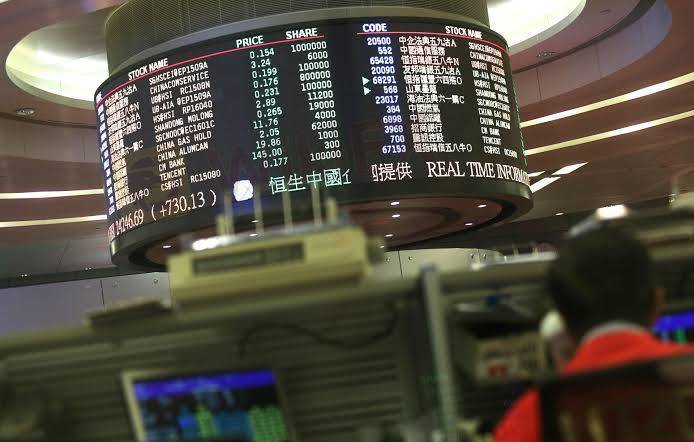
These concerns prompted investors to adopt a more defensive approach. Most Asian equity markets traded lower as risk sentiment weakened, while demand for traditional safe-haven assets, particularly the US dollar, increased.
In the currency market, the US dollar remained supported as investors anticipated that the Federal Reserve may
need to maintain higher interest rates if rising energy prices lead to renewed inflationary pressures.
For traders, the latest developments highlight how geopolitical events continue to play a significant role in driving global financial markets. Although there has been no actual disruption to oil supplies, markets often react to potential risks long before they materialise.
Overall, investors will continue to monitor developments in the Middle East and movements in the oil market over the coming days. If geopolitical tensions continue to escalate, volatility is likely to remain elevated across commodities, currencies, and global equity markets.
Disclaimer
This analysis is provided for informational purposes only and should not be considered as investment advice. All trading involves the risk of capital loss.
Like 0

FX1243542946
Trader
Hot content
Industry
Event-A comment a day,Keep rewards worthy up to$27
Industry
Nigeria Event Giveaway-Win₦5000 Mobilephone Credit
Industry
Nigeria Event Giveaway-Win ₦2500 MobilePhoneCredit
Industry
South Africa Event-Come&Win 240ZAR Phone Credit
Industry
Nigeria Event-Discuss Forex&Win2500NGN PhoneCredit
Industry
[Nigeria Event]Discuss&win 2500 Naira Phone Credit
Forum category

Platform

Exhibition

Agent

Recruitment

EA

Industry

Market

Index
Oil Prices Surge as Asian Markets Decline
 | 2026-07-14 14:28
Oil Prices Surge as Asian Markets Decline Following New Threats to the Strait of Hormuz
Global financial markets started the week on a cautious note as crude oil prices climbed while most Asian stock markets moved lower. The market reaction followed an announcement by US President Donald Trump regarding proposed measures that could affect shipping through the Strait of Hormuz, one of the world's most important energy trade routes.
The Strait of Hormuz is responsible for transporting around 20% of global oil supplies. Any potential disruption to this vital shipping lane is closely monitored by investors, as it could significantly impact global energy markets.
Following the announcement, crude oil prices rose as traders began pricing in the possibility of tighter global oil supplies. Higher oil prices not only affect the energy sector but also raise concerns that inflationary pressures could return.
If oil prices remain elevated, transportation and production costs are likely to increase, making it more difficult for central banks to bring inflation under control. This could reduce expectations for interest rate cuts in the near term and keep borrowing costs higher for longer.
These concerns prompted investors to adopt a more defensive approach. Most Asian equity markets traded lower as risk sentiment weakened, while demand for traditional safe-haven assets, particularly the US dollar, increased.
In the currency market, the US dollar remained supported as investors anticipated that the Federal Reserve may
need to maintain higher interest rates if rising energy prices lead to renewed inflationary pressures.
For traders, the latest developments highlight how geopolitical events continue to play a significant role in driving global financial markets. Although there has been no actual disruption to oil supplies, markets often react to potential risks long before they materialise.
Overall, investors will continue to monitor developments in the Middle East and movements in the oil market over the coming days. If geopolitical tensions continue to escalate, volatility is likely to remain elevated across commodities, currencies, and global equity markets.
Disclaimer
This analysis is provided for informational purposes only and should not be considered as investment advice. All trading involves the risk of capital loss.
Like 0
I want to comment, too
Submit
0Comments

There is no comment yet. Make the first one.
Submit
There is no comment yet. Make the first one.