Pepperstone Deposit and Withdrawal Methods: The Complete 2026 Guide

Abstract:Managing the financial side of trading is just as important as studying the markets. This guide gives you a clear, easy-to-follow overview of Pepperstone deposit and withdrawal methods for 2026. We want to give you the complete picture, covering not just the official steps but also what real traders have experienced. While Pepperstone offers many good options for easy deposits, it's important to know that user experiences can be different, especially when withdrawing. Being honest is important. Reviews on platforms, such as WikiFX, show a mix of smooth transactions and serious problems. We will give you a fair view, explaining official methods, how long things take, possible fees, and most importantly, how to handle common problems so you can manage your capital with confidence.

Funding Your Account
Managing the financial side of trading is just as important as studying the markets. This guide gives you a clear, easy-to-follow overview of Pepperstone deposit and withdrawal methods for 2026. We want to give you the complete picture, covering not just the official steps but also what real traders have experienced.
While Pepperstone offers many good options for easy deposits, it's important to know that user experiences can be different, especially when withdrawing. Being honest is important. Reviews on platforms, such as WikiFX, show a mix of smooth transactions and serious problems. We will give you a fair view, explaining official methods, how long things take, possible fees, and most importantly, how to handle common problems so you can manage your capital with confidence.
Funding Methods Overview
Pepperstone serves customers around the world by offering many different funding options. Picking the right method depends on what matters most to you - speed, cost, or ease of use. Below is a comparison to help you make a smart choice.
Which methods you can use might depend on where you live and which Pepperstone company you signed up with. The table below shows the most common options.
| Method | Type | Typical Processing Time | Notes / Potential Fees |
| Visa/MasterCard | Deposit & Withdrawal | Deposits: Instant. Withdrawals: 1-3 business days. | No fees from Pepperstone. |
| PayPal | Deposit & Withdrawal | Deposits: Instant. Withdrawals: Up to 1-2 business days. | No fees from Pepperstone. |
| Bank Transfer | Deposit & Withdrawal | Deposits: 1-3 business days. Withdrawals: 2-5 business days. | Banks may charge their own fees for transfers. |
| Neteller / Skrill | Deposit & Withdrawal | Deposits: Instant. Withdrawals: Up to 1 business day. | No fees from Pepperstone. |
| USDT (Tether) | Deposit & Withdrawal | Varies; subject to network confirmation. | Network fees apply. Be aware of user-reported minimums (e.g., >$60 for withdrawal). |
| Apple/Google Pay | Deposit Only | Instant. | No fees from Pepperstone. |
| UnionPay | Deposit & Withdrawal | Varies by region. | Check for regional availability and specific terms. |
*“Which methods you can use depends on your region and the specific Pepperstone company you're signed up with. For the most accurate, up-to-date regulatory details on the Pepperstone company serving your area, we recommend checking its verified profile on WikiFX.”*
Making a Pepperstone Deposit
Adding funds to your Pepperstone account is a simple process designed to be quick and safe. All transactions are handled through your personal Secure Client Area, giving you one place to manage your funds.
The process can be broken down into a few simple steps:
1. Log in to your Pepperstone Secure Client Area using your login details.
2. Go to the 'Funds' tab on the main menu and select 'Deposit Funds'.
3. Choose your preferred deposit method from the available options. The list will be customized for your region.
4. Enter the deposit amount and the currency. Follow the on-screen instructions specific to your chosen method (like entering card details or logging into your PayPal account).
5. Confirm the transaction details and complete the payment. You should receive a confirmation email from Pepperstone shortly after.
Pro-Tips for Smooth Deposits
To avoid common problems and make sure your funds arrive without delay, keep these points in mind:
· Name Matching is Important: To follow global anti-money laundering rules, the name on your funding source (bank account, credit card, or e-wallet) must exactly match the name on your Pepperstone trading account. Any difference will result in a rejected transaction.
· No Third-Party Deposits: Pepperstone strictly does not allow deposits from third-party accounts. You cannot fund your account using a card or bank account belonging to a friend, family member, or business partner. The funds must come from an account in your name.
· Handling Deposit Failures: Some users have reported problems where a deposit fails after being sent to a third-party payment processor. One user on WikiFX noted a successful payment confirmation from the processor, but the money did not appear in their Pepperstone account, with the broker's history showing a “failed” status.
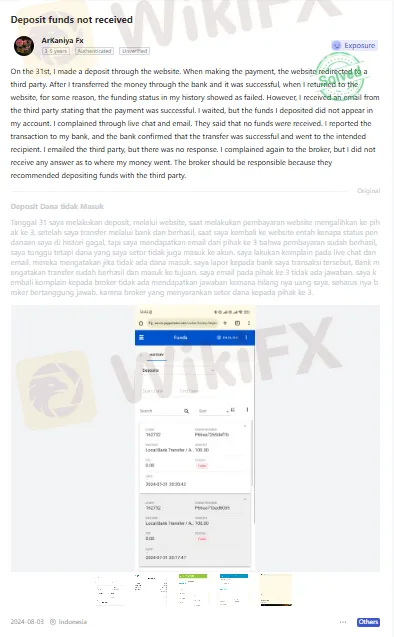
If this happens, immediately save all transaction receipts and confirmation emails. Contact both Pepperstone support and the payment processor with your proof of payment to solve the problem. Always make sure you are on a secure Pepperstone or recognized payment gateway page before entering details.
Guide to Pepperstone Withdrawals
The withdrawal process is arguably the most important part of a broker's service. While the procedure itself is simple, understanding the details and potential problems is essential for a stress-free experience.
The Standard Withdrawal Process
Withdrawals can be done from the same Secure Client Area used for deposits.
1. Log in to your Secure Client Area.
2. Go to the 'Funds' tab and select 'Withdraw Funds'.
3. Choose the trading account you wish to withdraw from.
4. Pick your withdrawal method and enter the amount.
5. Submit your withdrawal request. You will receive an email to confirm the request, which you must click to authorize the transaction.
An important rule to understand is Pepperstone's “return to source” policy. To prevent money laundering, withdrawals must first be sent back to the original funding source(s) up to the total amount deposited. For example, if you deposited $1,000 via PayPal and $500 via Visa, your first $1,500 in withdrawals must be returned to those respective accounts. Any profits beyond the initial deposit amount can then be withdrawn to a nominated bank account in your name.
Handling Common Withdrawal Challenges
While many traders report smooth withdrawals, a notable number of user complaints suggest that challenges are not uncommon. According to data from WikiFX, over 29 complaints have been recorded against Pepperstone, with a significant portion related to withdrawal delays and complications. Being aware of these reported issues can help you prepare and react effectively.
· Issue 1: Extended “Pending” Status
· Several users report their withdrawal requests staying in a “pending” state for many days, far exceeding the stated processing times. One user noted a small withdrawal was stuck in “pending” with no clear reason for the delay.
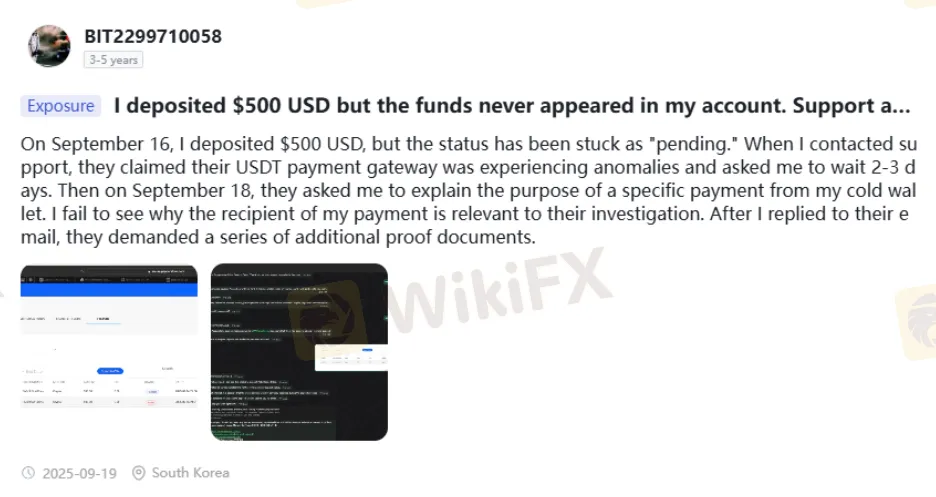
· Our Advice: Pepperstone's internal approval time is typically within one business day. If your withdrawal is still pending after 3 business days, do not wait passively. Actively contact its customer support team, providing your account number and withdrawal ID to request an update and an explanation for the delay.
· Issue 2: “Successful” Status but No Money Received
· This is a particularly concerning issue reported by multiple users. A trader from Malaysia experienced a withdrawal marked as “successful” in their Pepperstone history, but the money never arrived in their bank account. Another user from Mexico reported a similar issue with a larger withdrawal of $4,000, which was processed as an ARN refund but never credited to their bank.
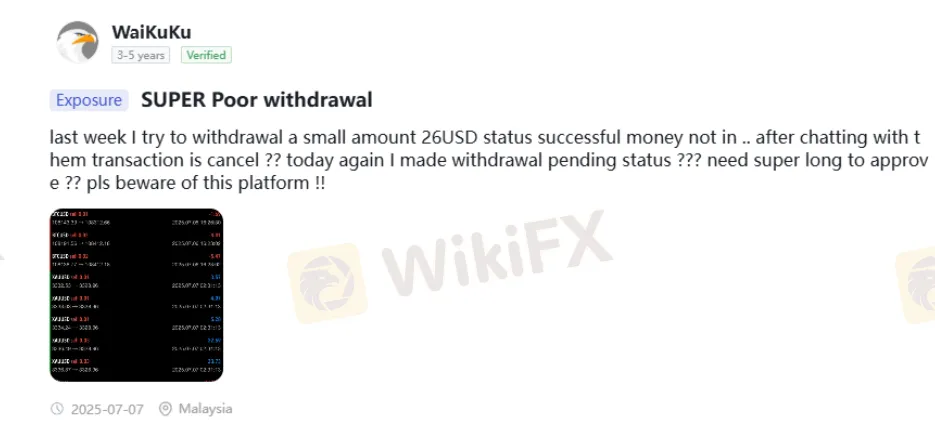
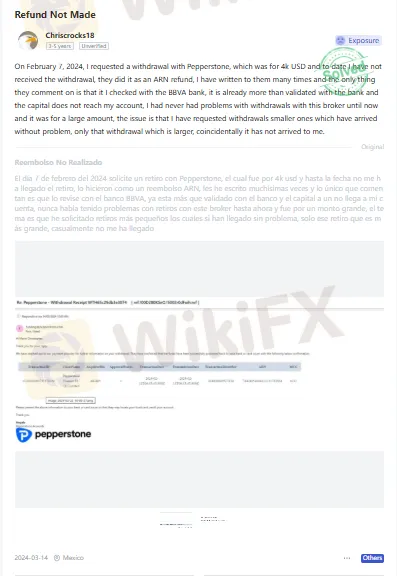
· Our Advice: If your withdrawal is marked “successful” but the money does not appear within the expected timeframe (like 3-5 business days for bank transfers), contact Pepperstone immediately. Request the Acquirer Reference Number (ARN) for card withdrawals or the transaction hash/ID for crypto and bank wire transfers. This unique code allows you and your bank to trace the payment through the financial system.
· Issue 3: Sudden Demands for Additional Verification
· Some traders have been caught off-guard by requests for additional verification documents in the middle of a withdrawal process. This can stop the transaction and introduce significant delays, as seen in a complaint where a user was asked for a series of new proof documents after starting a USDT withdrawal.
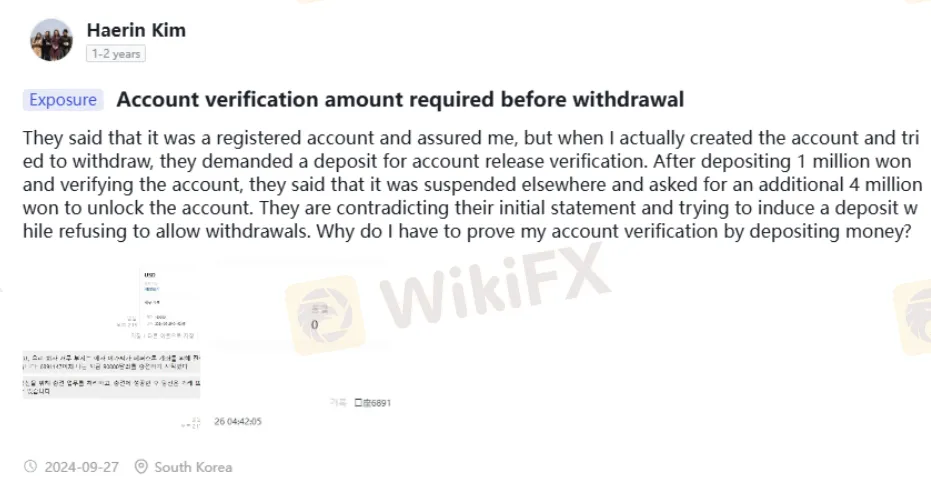
· Our Advice: To minimize this risk, be proactive. Before you start a large withdrawal, log into your client area and make sure all your personal information and verification documents (Proof of ID, Proof of Residence) are fully up-to-date and have not expired.
· Issue 4: Cryptocurrency Withdrawal Complications
· While offering crypto is a modern feature, it has been a source of frustration for some. User complaints on WikiFX highlight specific problems with USDT withdrawals, including a non-negotiable minimum withdrawal amount of over $60 and unresponsive customer support when issues arise.
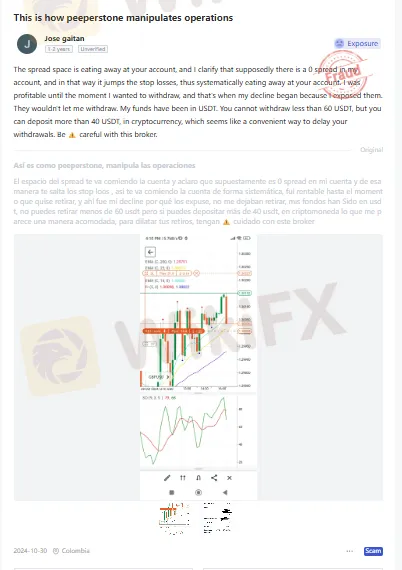
· Our Advice: Before using USDT or any cryptocurrency for funding, confirm the exact minimum withdrawal amount and network fees directly with Pepperstone support. If you plan to use this method regularly, consider making a small test withdrawal first to verify the process and timeline before committing larger sums.
*“These reported issues highlight the importance of being prepared. To read these user experiences directly and see if new ones have emerged, we strongly advise you to review the 'Exposure' section on the Pepperstone WikiFX page.”*
Fees, Times and Security
Understanding the complete transaction system involves looking at fees, realistic timelines, and the security measures protecting your investments.
Understanding Fees
A major advantage of Pepperstone is its fee structure for transactions. The broker itself does not charge any internal deposit or withdrawal fees. However, third-party fees can still apply.
· Bank Fees: For international bank wire transfers, both the sending and receiving banks may impose their own fees, which can range from $20-$50.
· Payment Processor Fees: While Pepperstone absorbs fees from many e-wallets such as PayPal and Skrill, the processors may charge you fees for receiving or sending funds on their end.
· Crypto Network Fees: All cryptocurrency transactions incur a network fee (or “gas fee”) that is paid to miners for processing the transaction on the blockchain. This fee varies depending on network congestion.
Realistic Processing Times
The processing times listed in our overview table are a good guide, but it's important to understand what they include. “Business days” exclude weekends and public holidays. Furthermore, the total time is a combination of two stages:
1. Pepperstone's Internal Approval: All withdrawal requests are processed by Pepperstone's finance team, which typically takes up to 24 hours (on business days).
2. Payment Provider Processing: Once approved by Pepperstone, the transaction is sent to the payment provider (like your bank, PayPal), which then has its own processing timeline. This is where most of the waiting time occurs.
Security and Regulation
Pepperstone's credibility is backed by its strong regulatory framework. It is licensed by several top-tier financial authorities across the globe, a fact verified by WikiFX. These include:
· ASIC (Australian Securities and Investments Commission)
· FCA (Financial Conduct Authority) in the United Kingdom
· CySEC (Cyprus Securities and Exchange Commission)
· DFSA (Dubai Financial Services Authority)
This multi-jurisdictional regulation is not just paperwork. It legally requires Pepperstone to follow strict standards, including maintaining segregated client funds. This means your capital is held in separate trust accounts at top-tier banks, completely apart from the company's operational funds. This provides an important layer of protection in the unlikely event of broker insolvency. Additionally, entities like the one in the UK offer negative balance protection, ensuring you cannot lose more than your account balance.
Conclusion and Final Verdict
In summary, Pepperstone's money management system presents a dual reality. On one hand, the broker offers an excellent range of modern and traditional funding methods. Deposits are generally fast, fee-free from the broker's side and efficient, allowing traders to fund their accounts with ease.
On the other hand, the withdrawal process presents documented challenges for a portion of its user base. Publicly available reports and complaint data clearly point to issues with delays, poor communication, and unexpected hurdles being the primary concerns. While many traders may never face these problems, their existence cannot be ignored.
Our final verdict is a cautious one. Pepperstone is a well-regulated and viable broker with competitive trading conditions. However, traders must approach fund management proactively. We advise keeping careful records of all transactions, understanding the “return to source” policy, and being prepared to follow up persistently with customer support, especially when making withdrawals.
*“The trading landscape is always changing. For a comprehensive and continuously updated overview of Pepperstone, including real-time user reviews, complaint tracking, and regulatory checks, we encourage you to visit their detailed profile on the new WikiFX app before making your final decision.”*

Read more
Is T4Trade a Reliable Choice? A Comprehensive Review for 2026
Looking for an honest T4Trade review? This guide explores T4Trade regulation, T4Trade login issues, and recent 2025-2026 cases to help you decide if this T4Trade broker is safe for your Forex T4Trade journey.

Is GKFX Prime a Safe Bet for Your Forex Trading? A Deep Dive into Its WikiFX Standing
Uncover the truth about GKFX Prime broker. This GKFX Prime review examines its regulation, WikiFX score, and potential risks, helping you make informed decisions about GKFX Prime Forex trading and GKFX Prime login security.

Is MT.COOK a Safe Bet for Your Forex Trading? A Deep Dive into MT.COOK Review and Regulation
Considering MT.COOK for your Forex trading? This MT.COOK review examines its WikiFX score, MT.COOK regulation, and recent concerns to help you make an informed decision. Understand the risks before you MT.COOK login.

Pepperstone User Reputation: Looking at Real User Feedback and Common Complaints to Check Trust
When traders ask, "Is Pepperstone safe or a scam?" they are dealing with a basic problem in the trading world. On one side, Pepperstone is a well-known broker globally, with licenses from some of the strictest financial regulators. On the other side, ongoing user complaints raise serious questions about how reliable it is. Answering this question needs more than just a simple "yes" or "no." It requires a careful look at the evidence. This article works as an investigative report, designed to break down the puzzle of Pepperstone's reputation. We will go beyond marketing claims and look at objective, checkable data taken directly from WikiFX, a global broker regulation inquiry platform. By looking at its regulatory status, client protection measures, and most importantly, the patterns found within 29 documented user complaints, we aim to provide a clear view of Pepperstone's trustworthiness. Our goal is not to make a final judgment, but to give you the data needed to make your own inform
WikiFX Broker
Latest News
WikiFX “3·15 Forex Rights Protection Day” Successfully Concludes: Global Exposure of Rogue Brokers
WikiFXACY Securities Review: A Decade-Old Platform or a High-Risk Trap?
WikiFXStoneX Challenges Helios with 95p Cash Bid for CAB Payments
WikiFXIs Mazi Finance Legit : A Complete Safety Check for Traders
WikiFXZentrader Review: Unmasking the Risks of an Unregulated Forex Broker
WikiFXAPMEX Under Scrutiny: Unregulated Operations and Recent Warnings
WikiFXBasics of Foreign Exchange and Currency Pairs in India by Junior Oneii
WikiFXGold and Silver Pumping Again?
WikiFXOil Prices Climb as Geopolitical Tensions Spotlight Strait of Hormuz Risks
WikiFXIs MT.COOK a Safe Bet for Your Forex Trading? A Deep Dive into MT.COOK Review and Regulation
WikiFXRate Calc
