What Will US-Iran War Affect Stock Market: A Comprehensive Investor's Guide to 2026

Abstract:Rising tensions between the United States and Iran are shaking global financial markets, pushing oil and gold prices higher while increasing volatility across equities. Historically, such geopolitical conflicts trigger sector shifts rather than full market collapse — with energy and defense stocks often benefiting, while airlines and consumer sectors face pressure. For investors, the key is recognizing that geopolitical crises can create both risks and strategic opportunities through market sector rotation.

Tensions between the United States and Iran have quickly rippled through global financial markets, triggering the kind of volatility investors often see during major geopolitical conflicts. As news of US military strikes against Iran emerged, markets reacted almost instantly. Oil prices jumped, defense stocks surged, and investors rushed into traditional safe-haven assets such as gold and US Treasury bonds. These reactions follow a familiar pattern seen during past Middle East conflicts, although todays markets move much faster due to algorithmic trading and the speed of global information flow.
The impact was not limited to commodity prices and equities. In the Middle East itself, financial markets responded cautiously. Kuwaits stock exchange temporarily suspended trading, while regulators in the United Arab Emirates halted trading on the Abu Dhabi and Dubai stock exchanges for several days as a precaution. These steps reflected concerns that regional instability could quickly spread into broader financial markets, particularly in economies closely tied to energy exports and trade routes.
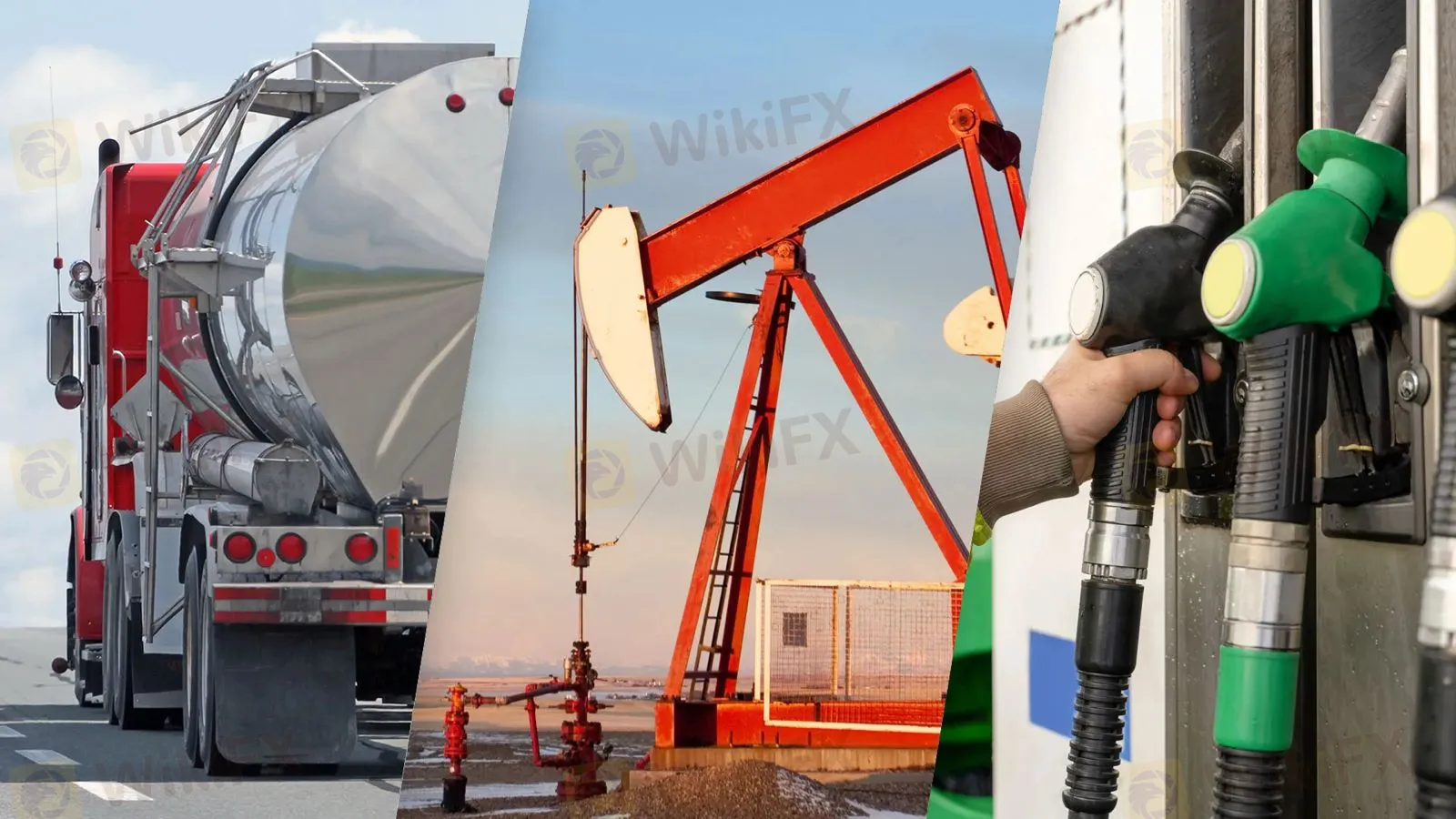
At the center of market reactions is the energy sector. Oil prices tend to respond sharply whenever tensions rise in the Middle East, and this conflict is no exception. Brent crude, which had been trading around US$73 per barrel before the escalation, is now expected by some analysts to climb toward the US$80 to US$110 range if supply disruptions worsen. Much of the concern revolves around the Strait of Hormuz, one of the most critical oil shipping routes in the world. Roughly one-fifth of global oil consumption passes through this narrow waterway. Even the possibility of disruptions can drive oil prices higher because traders begin pricing in the risk of supply shortages.
This surge in oil prices has naturally benefited major energy companies. Global oil giants such as ExxonMobil and Chevron have seen their share prices rise as investors anticipate stronger profits from higher crude prices. These companies are particularly well positioned because their operations span the entire energy chain, from exploration and production to refining and distribution. When oil prices climb, their upstream operations generate significant gains while their downstream businesses help stabilize revenue during volatile periods.
The broader energy sector has also enjoyed renewed investor interest. Funds tracking energy companies have risen as investors shift capital into industries that tend to perform well during inflationary periods. Exploration companies and oilfield service providers are also gaining attention as higher prices encourage increased drilling and production activity.
Defense companies are another clear beneficiary of rising geopolitical tensions. Historically, defense stocks perform well during periods of conflict as governments increase military spending and accelerate procurement of weapons and equipment. That trend is already visible. Major defense contractors such as Lockheed Martin and Northrop Grumman have seen their share prices climb as investors expect increased demand for missile systems, aircraft, and advanced defense technologies.
Lockheed Martin in particular has attracted strong investor interest because of its broad portfolio of defense products, including fighter jets, missile defense systems, and advanced military electronics. Northrop Grumman has also gained momentum due to its focus on modern defense technologies such as autonomous systems, cyber defense, and strategic deterrence programs. Even Boeing, which has faced challenges in its commercial aviation division, has seen renewed attention toward its defense business.
While energy and defense sectors benefit, other industries face immediate pressure. Airlines are among the hardest hit because fuel is one of their largest operating costs. When oil prices rise sharply, airline profit margins typically shrink. Investors expect carriers such as Delta Air Lines, United Airlines, and American Airlines to face higher costs while demand for travel may weaken if geopolitical uncertainty grows.
Shipping and logistics companies are also vulnerable. Trade routes through the Persian Gulf could face disruptions or higher insurance costs, forcing vessels to reroute and increasing transportation expenses. These additional costs often ripple across global supply chains, affecting industries far beyond the region.
Consumer-focused sectors may also struggle if energy prices remain elevated. Higher fuel prices reduce disposable income for households, leaving consumers with less money to spend on non-essential goods and services. Retailers, restaurants, and entertainment companies may therefore see weaker demand if the conflict pushes inflation higher.
The technology sector presents a mixed picture. While broader tech stocks could face pressure from rising interest rates and economic uncertainty, cybersecurity companies may benefit. Governments and corporations are expected to increase spending on digital defense as the risk of cyberattacks grows during geopolitical conflicts. Cloud computing and software firms working with defense agencies could also see increased demand.

Meanwhile, investors have been moving money into traditional safe-haven assets. Gold has surged to record levels as uncertainty rises. Many investors view gold as a store of value during times of crisis because it is not tied to any single government or currency. Demand has increased not only from private investors but also from central banks seeking to diversify their reserves.
The US dollar has also strengthened as global investors move funds into dollar-denominated assets. US Treasury bonds have attracted strong demand as well, although rising inflation expectations linked to higher oil prices have created some volatility in bond markets.
Looking back at history provides some perspective. Past conflicts in the Middle East have often produced similar market patterns. During the 1973 Yom Kippur War, an oil embargo caused global oil prices to surge dramatically and triggered a severe recession. However, todays global energy market is far more diversified, and many countries now maintain strategic oil reserves that can help stabilize supply during disruptions.
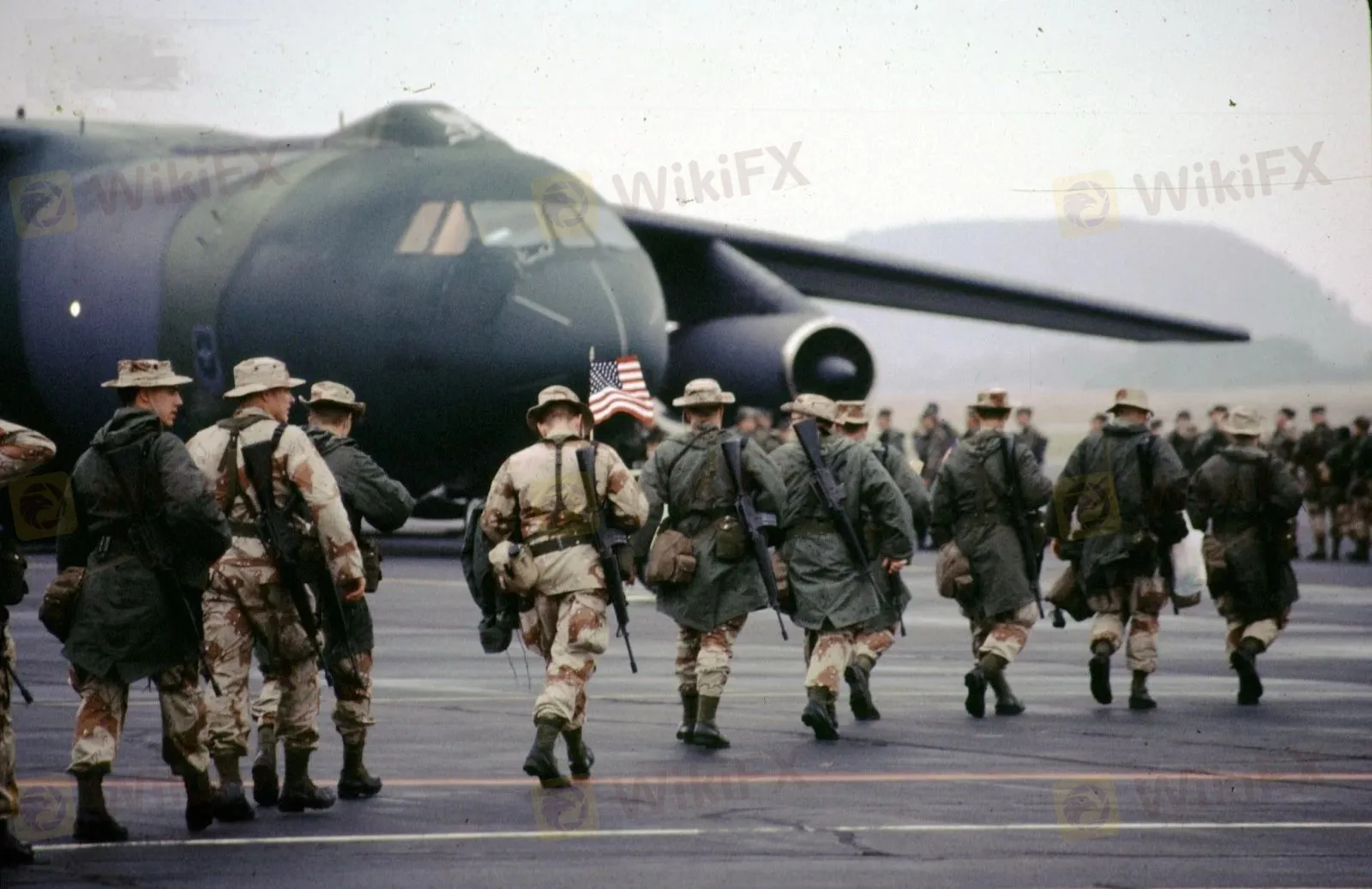
A more recent comparison can be drawn with the 1990 Gulf War. In that case, markets initially reacted negatively when Iraq invaded Kuwait, but stocks recovered quickly once the military campaign began and uncertainty faded. Defense and energy companies performed strongly during the conflict, while cyclical sectors rebounded once stability returned.
For investors today, the key lesson is that geopolitical crises rarely affect all sectors equally. Instead, they tend to trigger a rotation within markets. Energy and defense companies often outperform, while travel, transportation, and consumer sectors face challenges. Safe-haven assets like gold and government bonds typically see increased demand as investors seek stability.
Navigating such periods requires careful portfolio management. Some investors choose to increase exposure to sectors benefiting from the conflict while reducing holdings in industries likely to be negatively affected. Others focus on defensive assets such as high-quality bonds, dividend-paying stocks, and utilities to protect against broader market volatility.
At the same time, experienced investors understand that market disruptions can also create opportunities. Quality companies may see their share prices temporarily decline due to overall market fear rather than changes in their long-term prospects. For those with a long-term perspective, such periods can provide attractive entry points.
The US-Iran conflict may also accelerate longer-term trends. Increased focus on energy security could boost investment in alternative energy sources. Governments may expand spending on cybersecurity and military technology. These structural shifts could shape investment opportunities well beyond the current crisis.
Beyond financial markets, the conflict carries broader economic implications. Higher oil prices can fuel inflation, complicating decisions for central banks that are already balancing economic growth against price stability. Emerging markets that rely heavily on imported oil may face additional pressure as energy costs rise and currencies weaken.
Supply chains could also experience disruptions if shipping routes through the Persian Gulf become less reliable. Higher insurance costs and longer transportation routes may increase global trade expenses, adding further pressure to inflation and economic growth.
Ultimately, the situation remains highly uncertain. Geopolitical conflicts can evolve quickly, and markets often react strongly to new developments. While history shows that markets tend to stabilize once clarity emerges, the timing and path of that stabilization are difficult to predict.
For investors, the most important takeaway is the need for diversification and disciplined risk management. Geopolitical shocks are an inevitable part of global markets. Those who build resilient portfolios that can withstand volatility while adapting to changing conditions are better positioned to navigate uncertain times and capture opportunities when markets overreact.

Read more

Kudotrade Review 2026: Reported Slippage & Trade Execution Issues You Should Know
Did you lose capital due to persistent slippage on the Mauritius-based Kudotrade platform? Did your trade fail to receive the tight spreads advertised by the broker? Did you receive the wrong trade signal from the broker's affiliated service provider? Did you fail to receive your funds despite multiple withdrawal requests? You are not alone! These issues have allegedly attracted significant attention on broker review platforms such as WikiFX. In this Kudotrade review, we will examine several such complaints and evaluate the broker's regulatory scenario.

SIMPLEFX Review 2026: Trading Chart Complaints Continue - What Traders Should Know
SIMPLEFX, a Saint Vincent and the Grenadines-based brokerage entity, receives complaints mostly about trading chart manipulations. Generally, while researching broker reviews, complaints usually centre on hassles concerning fund withdrawals. User complaints for this broker have come from many regions, including South Asia. This SIMPLEFX review examines these user allegations and shares its regulatory framework.

mirrox Review 2026: Withdrawal Blocks & Trade Manipulation Allegations - Should Traders be Concerned
Did mirrox, a brokerage firm, ask you to keep your margin level above 250%-300% and make you add funds immediately if it dropped below it? Did the broker prevent you from opening a trade despite having a healthy equity balance? Did it close your trading account upon a withdrawal request? Many traders have raised these concerns online while sharing their respective mirrox reviews. This article aims to examine these user allegations while answering the popular question: Is mirrox legit or a scam?

eToro Review 2026: Why Some Users Report Withdrawal Problems - and What the Evidence Shows
eToro, a United Kingdom-based brokerage entity, is facing serious user allegations concerning the basic facility a trader expects - Fund Withdrawal. Users worldwide are complaining about the lack of a withdrawal option, account restriction, and lack of customer support in real time. Many of their complaints appeared on credible broker review platforms such as WikiFX. In this eToro review, we have examined these complaints.
WikiFX Broker
Latest News
Prop Firm FTMO to Acquire OANDA with $422 Million
WikiFX11.09.26 Daily Forecast
WikiFXUnited States Dollar Index holds onto gains above 99 ahead of US CPI data
WikiFXCMC Markets Extends US Share Trading Into Overnight Session
WikiFXSilver Forecast: XAG/USD rebound capped as bearish bias holds
WikiFXUK Chancellor Healey: Economy demonstrates welcome resilience despite global uncertainty
WikiFXKudotrade Review 2026: Reported Slippage & Trade Execution Issues You Should Know
WikiFXRBI's Record $136-Billion NRI Deposit Campaign: Closed Early, Windfall and Risks for Traders
WikiFXWhat is Synthetic Indices in Prop Trading | Why Is It Risky?
WikiFXEUR/JPY Price Forecast: Softens to near 179.00, bearish bias remains intact below 100-day SMA
WikiFXRate Calc

