FINRA Fines Cetera $1.1 Million Over Compliance Lapses

Abstract:FINRA fines Cetera $1.1 million for supervisory and AML compliance failures spanning several years, citing rule violations and weak oversight systems.
FINRA slaps Cetera firms with $1.1 million penalty
The Financial Industry Regulatory Authority (FINRA) has fined three affiliated firms under the Cetera Financial Group a combined $1.1 million after identifying years of compliance and supervisory failures. The case underscores ongoing pressure on wealth management firms to maintain stronger oversight in a tightening regulatory landscape.
The penalty applies to Cetera Advisors LLC, Cetera Wealth Services LLC (formerly Cetera Advisor Networks LLC), and Cetera Investment Services LLC. FINRA said the firms agreed to the sanctions without admitting or denying the findings but accepted censure and promised corrective action.
Weak supervisory structure uncovered
Between March 2019 and August 2021, FINRA found that the Cetera companies failed to maintain supervisory systems—or written supervisory procedures—capable of ensuring compliance with Section 5 of the Securities Act of 1933. Those gaps, the regulator said, violated FINRA Rules 3110 and 2010, which set standards for oversight of securities sales and investor protection.
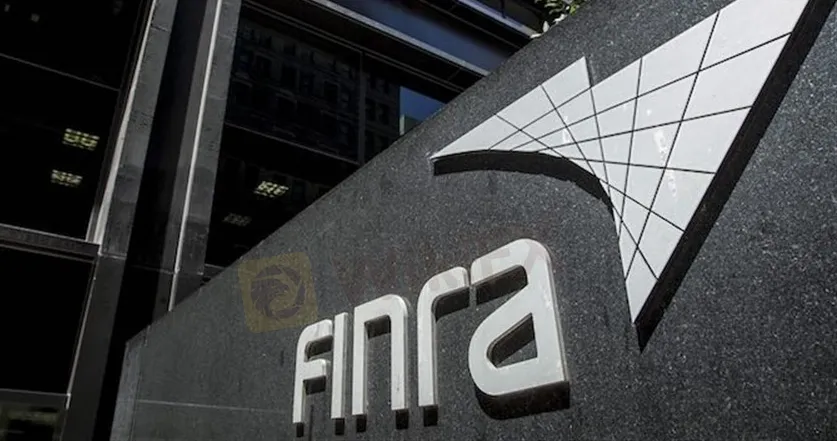
Regulators noted that weaknesses in Ceteras internal processes allowed unregistered sales activity to slip through, pointing to structural deficiencies rather than isolated errors.
AML program flagged as insufficient
The regulator also determined that the firms anti-money laundering (AML) programs were not up to standard during the same period. Examiners found that the systems lacked the tools and follow-up procedures needed to identify and report suspicious activity—a breach of FINRA Rules 3310(a), 3310(f)(ii), and 2010.
The finding adds to a series of regulatory warnings across the U.S. brokerage sector, where FINRA and the SEC have been tightening expectations around AML vigilance amid evolving threats such as digital asset transactions and cross-border account activity.
Recordkeeping and client reporting issues
A separate review covering January 2017 to August 2021 found that Cetera Advisors failed to properly supervise or preserve certain consolidated client account reports. Those shortcomings violated Section 17(a) of the Securities Exchange Act of 1934, as well as Exchange Act Rule 17a–4(b)(4) and several FINRA rules requiring proper documentation and retention of customer communications.
According to FINRA, those failures could impair regulators ability to verify records or reconstruct interactions in the event of audits or disputes, raising concerns about accountability and transparency.
Industry implications
Ceteras $1.1 million penalty underscores the intensifying scrutiny facing mid-sized broker-dealer networks that combine advisory and investment services. As firms adopt hybrid business models integrating digital and in-person client management, supervisory systems that once fit legacy operations often struggle to keep up.
Compliance experts say the case serves as a reminder that firms can no longer rely solely on manual reviews and periodic audits to meet regulatory expectations. “The standard now demands proactive systems—real-time surveillance, integrated data tracking, and clear lines of accountability,” said one former regulator familiar with the matter.

Read more
FINRA Fines Cetera $1.1 Million Over Compliance Lapses
FINRA fines Cetera $1.1 million for supervisory and AML compliance failures spanning several years, citing rule violations and weak oversight systems.

Hong Kong SFC Flags Unlicensed AI Trading Scheme
Hong Kong’s SFC warns of an unlicensed AI trading scheme by Gold Fun and AGA, citing regulatory breaches and investor risks.
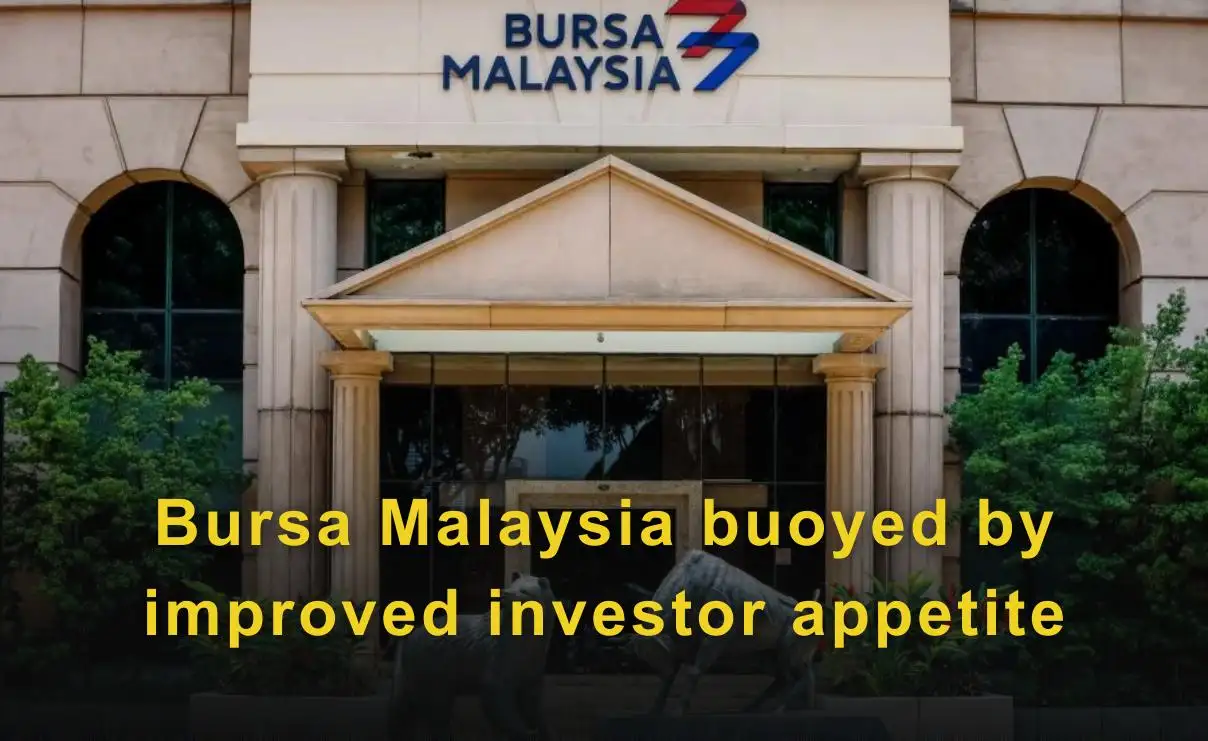
Bursa Malaysia buoyed by improved investor appetite
Bursa Malaysia extended its rally to a fresh seven-year high, supported by stronger global earnings, continued buying in banking stocks and sustained foreign fund inflows, although analysts caution that near-term volatility may persist amid limited domestic catalysts.

JPMorgan CFO Sounds Alarm on Risky Stablecoin Yields
JPMorgan CFO warns high-return stablecoins could endanger financial stability as global regulators move toward tighter digital asset rules.
WikiFX Broker
Latest News
Gold Fun Corporation Ltd Review: A Deep Dive into Safety and Regulation
WikiFXSafe-Haven Supercycle: Gold Hits $4,690 as Silver Squeeze Intensifies
WikiFXTrans-Atlantic Rupture: Markets Brace for Trade War as Trump Issues Greenland Ultimatum
WikiFXDollar Softens as Fed Signals Shifts; Warsh Leads Nomination Race
WikiFXUpway (JRJR) Review: A Deep Dive into Safety and Regulation
WikiFXCoinbase Banks Push Advances Crypto Rules
WikiFXChina Delivers 5% Growth Target, Yet December Data Reveals Deepening Consumption and Property Cracks
WikiFXRM668K Gone Overnight: Factory Supervisor Trapped in Fake Investment Scam
WikiFXItaly’s Consob Blocks Five Unauthorized Investment Websites in New Enforcement Action
WikiFXGold Tears Through $4,700 Barrier as Risk Premiums Spike
WikiFXRate Calc

