One Message, RM600K Gone: WhatsApp Investment Scam Exposed

Abstract:A 71-year-old property consultant in Pahang lost RM622,161 after being tricked by a fake investment scheme promising 50% profits via WhatsApp.
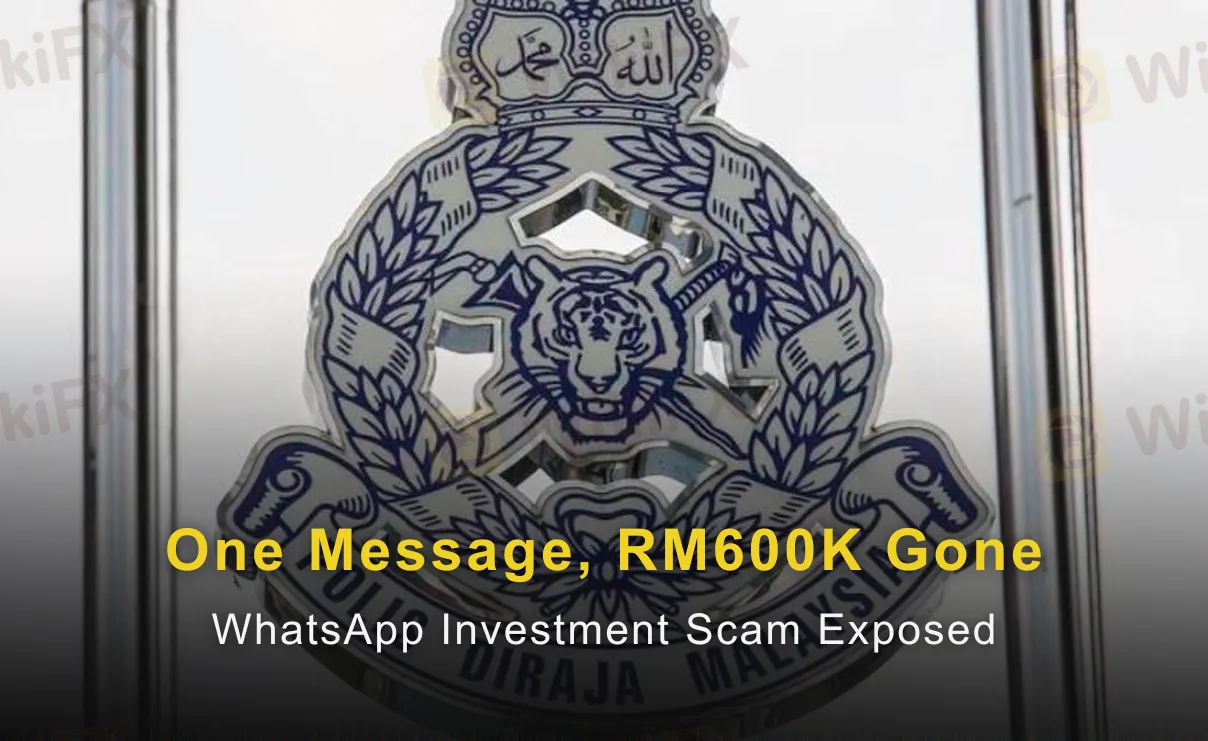
A 71-year-old property consultant has lost more than RM620,000 after being duped by a fake investment scheme that was promoted through WhatsApp.
Pahang police chief Datuk Seri Yahaya Othman said the victim was approached by a suspect on Oct 16, 2025, and was offered what appeared to be a lucrative investment opportunity, with promised returns of up to 50 per cent. Trusting the offer, the man agreed to participate in an investment scheme known as “JMC M Trading Venture”.
According to police, the victim was instructed to download an application through a link provided by the suspect. He was told the app would be used to manage his investment and track profits. Convinced the scheme was genuine, the victim went on to transfer money from his personal savings in stages.
Between Oct 27 and Dec 27, 2025, he made 16 separate transfers amounting to RM622,161 into four different bank accounts supplied by the suspects. At one point, he did receive an initial return of RM140,889, which further strengthened his confidence in the investment. However, following the suspects instructions, the money was reinvested instead of withdrawn.
The scam only became clear when the victim was later told he needed to top up his investment with an additional RM1 million in order to withdraw all his purported profits. Realising something was wrong, he came forward to lodge a police report.
Yahaya reminded the public to be cautious of investment offers received through social media or messaging platforms. He advised members of the public to seek advice from their nearest police station or relevant authorities before committing to any investment, to avoid falling victim to similar scams.
Read more
Is FXPN Safe or a Scam? A Deep Look into Complaints, Rules and User Reviews
When traders ask, "Is FXPN Safe or Scam?" They want a clear, fact-based answer about whether the broker can be trusted. Our research gives a straight answer. While FXPN has a license from the National Bank of the Republic of Belarus (NBRB), this one good thing is outweighed by many serious warning signs. A closer look shows a canceled license from a major European regulator, many serious user complaints, and worrying results from real-world investigations. This article doesn't make a final legal decision but shows all the facts we found—from official records to real user feedback—so you can make a smart choice. The evidence shows this is a high-risk situation that should make any potential investor very careful.
FXPN Regulatory Status: A Complete Guide to its Licenses and Company Registration
For FXPN, the regulatory picture is complicated and needs careful examination. While the broker does have an official license in one country, there are several serious warning signs. These include a canceled license from a major European regulator, connections to questionable companies, and concerning reports from people who tried to visit their offices. This analysis will break down each of these issues to give you a clear, fact-based understanding of the risks. We will look at its active license in Belarus, explain the history of its canceled Cyprus license, and share findings from office visits that raise questions about whether the company actually exists in real locations.
FXPN Legitimacy Check: Is This a Fake Broker or a Legitimate Trading Partner?
You might have heard about FXPN and are wondering: Is FXPN legit? After carefully studying its regulatory status, how it operates, and what users say about it, the short answer is that FXPN carries dangerously high risks. While it might look legitimate at first glance with one active license, a closer look shows serious warning signs that should worry any potential investor. This article won't rely on guesswork. We will examine the proven evidence, including a canceled license from an important regulatory authority, damaging on-site investigations, and a clear pattern of user complaints. Our goal is to give you a clear, fact-based assessment of the FXPN scam risk so you can make a smart and safe decision. Read on!

Ten Days, Seven Raids: Cambodia Sweeps Up Foreign Scam Suspects
Cambodia has intensified its crackdown on online scam syndicates, arresting dozens of foreign nationals and raiding multiple locations nationwide as part of a wider anti-fraud campaign, amid growing international pressure to curb transnational cybercrime.
WikiFX Broker
Latest News
A Complete 2026 Review: Is RockwellHalal Legit or a Scam to Stay Away From?
WikiFXOne Message, RM600K Gone: WhatsApp Investment Scam Exposed
WikiFXBig Boss Review 2025: Safety Warning and Regulatory Analysis
WikiFXEURUSD Fails to Make New Highs
WikiFXSituation In Venezuela Adds To Dollar Uncertainty
WikiFXTP ICAP Expands Global Reach with Acquisition of Vantage Capital Markets
WikiFXDollar Dives and Metals Surge: Powell Investigation Sparks Institutional Crisis
WikiFXDollar on Edge: Supreme Court Tariff Ruling and Deficit Warnings Collide
WikiFXSilver Markets Face 'Liquidity Squeeze' Risk, Warns Goldman Sachs
WikiFXTop Forex Brokers Offering Free Demo Accounts
WikiFXRate Calc

