Global Central Bank Divergence: The End of Synchronized Policy

Abstract:As 2025 concluded, the era of coordinated central bank action officially fractured, giving way to a new market regime defined by "high volatility and low synergy." In a week dominated by "Super Central Bank" meetings, major economies charted wildly different courses, fundamentally altering currency valuations and global carry trade dynamics.
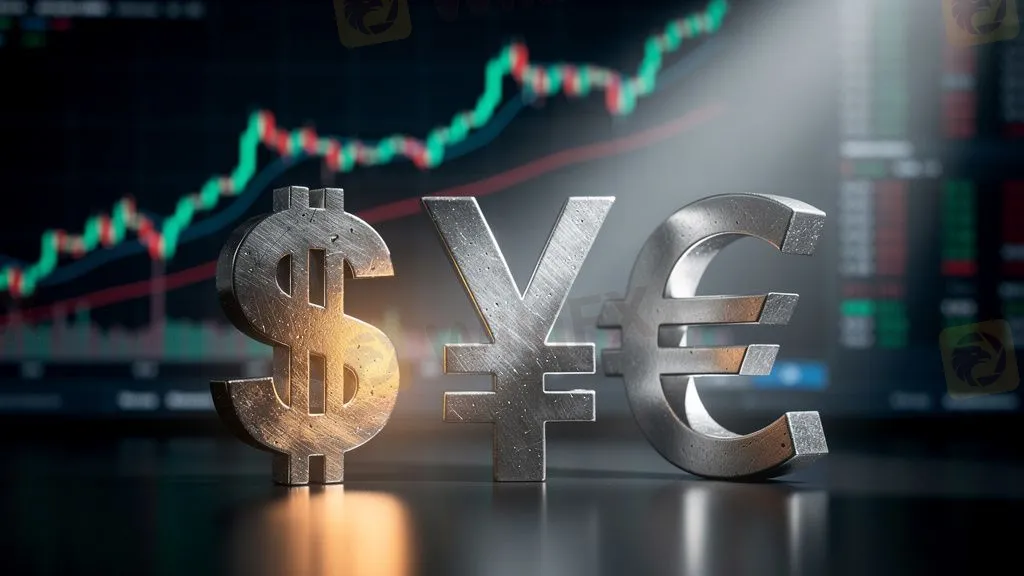
As 2025 concluded, the era of coordinated central bank action officially fractured, giving way to a new market regime defined by “high volatility and low synergy.” In a week dominated by “Super Central Bank” meetings, major economies charted wildly different courses, fundamentally altering currency valuations and global carry trade dynamics.
The Cutting Camp: Fed and BOE
The U.S. Federal Reserve delivered its third interest rate cut of the year on December 10, lowering the benchmark rate to a range of 3.50%-3.75%. Despite the U.S. economy surpassing the $30 trillion GDP milestone with a steady 2.0% growth rate, the Fed prioritized a “preemptive strike” against a cooling labor market. Similarly, the Bank of England reduced its key rate to 3.75%, looking to stimulate domestic demand as inflationary pressures subsided.
The Lone Hawk: Bank of Japan
In a landmark move, the Bank of Japan (BOJ) bucked the global easing trend by raising interest rates to 0.75%—the highest level since 1995. This shift aims to defend the yen, which had slumped toward the 160 level against the dollar, and to combat rising domestic costs. However, with Japan's debt-to-GDP at 229%, the move has sparked concerns over the sustainability of debt servicing costs.
Wait-and-See: The ECB
The European Central Bank maintained its deposit rate at 2.0%, standing out as an island of stability. With Eurozone growth projected at a modest 1.3%-1.4%, the ECB remains cautious, resulting in an attractive real interest rate environment that has begun drawing “safe-haven” capital into the Euro.
Implications for Forex Markets
This divergence is forcing a massive reallocation of capital. The traditional carry trade is being upended as JPY shorts are squeezed by the BOJ's hawkishness, while the USD faces pressure from the Fed's easing cycle. Traders must now navigate a landscape where interest rate differentials are no longer moving in a predictable, unified direction.
Read more

WTI hovers around $77.00 with a positive momentum, focus shifts to US PCE, Oil Rig Count
West Texas Intermediate (WTI) oil price pauses its two-day winning streak but is anticipated to conclude the week on a positive note, trading near $77.00 per barrel during the Asian session on Friday.
FCA Warns an Unauthorized Broker Named 'Sapphire Markets'
On December 7, the UK's Financial Conduct Authority (FCA) regulator warned against an unauthorized broker called Sapphire Markets, reminding the public to be aware of financial safety.

Five Websites Warned! BCSC Alerts About TopMarkets
On January 4, 2024, the British Columbia Securities Commission (BCSC) warned an unlicensed broker called TopMarkets.

How to Use Stop Loss Orders?
In forex trading, understanding and managing risk is paramount to success. One powerful tool that traders have is the "stop loss order."
WikiFX Broker
Latest News
2025 Global Economic Year in Review: How Tariffs and AI Rewrote the Playbook
WikiFXYen in Peril: Wall Street Eyes 160 as Structural Outflows Persist
WikiFXRM238,000 Lost to a Fake Stock Scheme | Don't Be The Next Victim!
WikiFXWhat Is a Forex Expert Advisor and How Does It Work?
WikiFXIs 9X markets Legit or a Scam? 5 Key Questions Answered (2025)
WikiFXWhat Is a Liquid Broker and How Does It Work?
WikiFX“Elites’ View in Arab Region” Event Successfully Concludes
WikiFXCommodities Wrap: Copper Surges on ‘Green Squeeze’ Fears; Oil Dips on Peace Hopes
WikiFXGivTrade Secures UAE SCA Category 5 Licence
WikiFXFP Markets Marks 20 Years of Global Trading
WikiFXRate Calc

