Long Position vs Short Position in Forex Trading: Know the Differences

Abstract:When investing through forex, you often come across terms such as long position and short position. You may wonder what these two mean and how they impact your trading experience. So, the key lies in understanding the very crux of this forex trading aspect, as one wrong step can put you behind in your trading journey. Keeping these things in mind, we have prepared a guide to long position vs short position forex trading. Keep reading!
When investing through forex, you often come across terms such as long position and short position. You may wonder what these two mean and how they impact your trading experience. So, the key lies in understanding the very crux of this forex trading aspect, as one wrong step can put you behind in your trading journey. Keeping these things in mind, we have prepared a guide to long position vs short position forex trading. Keep reading!
What is a Forex Position?
Firstly, a forex position is the total currency amount an individual owes to trade the price movement. Three things are basically involved in a forex position: the currency pair, size, and long or short positions.
Explaining Long and Short Positions in Forex Trading
As traders expect currency pair price appreciation, they open a long position and hold onto it for the time they want to leverage from constant price spikes. Traders seeking to enter long positions eye buying signals identified when a currency price falls to the support level. This is where the price does not fall further; rather, it goes upward.
On the other hand, if traders reckon that the currency pair prices will depreciate, they open a short position. So, if you are seeking a short position, see where the sell signals lie. Selling opportunities arise when prices reach the resistance level. At this level, the currency prices jump, change direction, and start falling.
The Time Involved in Holding Long and Short Positions
Traders can hold the forex position for a few minutes to a few years, depending on their investment goals. Several other factors, including economic indicators and forex trading strategy, can also influence the decision to hold positions. Some forex traders hold positions for weeks and months to earn profits over the medium term. Conclusively, holding onto a forex position is based on your forex entry and exit strategies, as well as investment objectives.
Long Position vs Short Position in Forex Trading Strategy
Position trading emerges as a long-term strategy, where you hold a forex position for a few months to years. With this strategy, you do not focus on short-term fluctuations. Instead, your focus shifts to broader and fundamental long-term trends. To fully leverage a position trading strategy, traders can take positions in a market expected to witness major long-term trends. They look to capture trends spanning weeks, months and even years.
Day trading, on the other hand, works for traders seeking to open a short position. While initiating day trading, traders are affected by events that lead to short-term market movements. A minimal currency pair change can significantly affect trades. Adopting trading strategies, such as scalping and range trading, can help traders make many small profits from the price changes during the day.
Conclusion
Understanding the differences between long and short positions is essential for making informed decisions in forex trading. Whether you choose to buy (go long) or sell (go short), your success largely depends on how well you read market trends, identify support and resistance levels, and apply the right trading strategy.
Long-term traders may benefit from position trading and broader market trends, while short-term traders often rely on quick market movements through strategies like day trading or scalping. By aligning your position type with your trading style, risk appetite, and market outlook, you can navigate the forex market more confidently and improve your chances of consistent profitability.
For more innovative forex trading strategies, join these special chat groups (OIFSYYXKC3, 403M82PDMX or W2LRJZXB7G) today.

Read more
IUX Review:Before Investing a Single Penny, Read These Jaw-Dropping Deposit & Withdrawal Experiences
IUX, despite having an operational presence for approximately a decade, continues to face allegations from users regarding its several trading aspects. These include complaints on withdrawal processing, deposit failure, and even wide slippages that eat into users’ margins. For some, withdrawals were never executed, for others, withdrawal processing remained only on paper. On the other hand, some’s deposits fail to show on the IUX login even after 45 days of the transaction initiation date. Concerned by these seemingly suspicious trading incidents, users hit out on several review platforms such as WikiFX. This IUX review examines these user allegations while providing a regulatory framework the broker adheres to.
ForexDana Review 2026: Traders Report Losses—But What Happened Behind the Trades?
A brokerage operation history of over six years without any clarity of the accounts offered. This stunning fact allegedly applies to ForexDana. While this has been a major concern on the transparency front, user experiences concerning suspicious deposit failures and trade manipulation have not been good for the broker’s reputation either. In this ForexDana review, we have attempted to find the reason behind the growing user frustration, not only through their complaints but also what possibly could have led to these complaints. Yes, you heard it right! We are going to probe the ForexDana regulation status. This will help you make the right financial decision.
Saxo Exposure Report 2026: Withdrawal Delays and Transfer Disputes Leave Traders Concerned
As you look forward to reading the Saxo reviews, you come across both positive and negative user experiences concerning trading. However, what makes prospective users dwell more is the significant insight shared through negative experiences compared to positive ones. The negative experiences are more detailed around fund withdrawals and deposits. Although they are allegations, they represent a disturbing picture. For example, we came across a case where a user highlighted the inability to trade an instrument, which is actively traded in the market. We have examined the recent allegations against the brokerage firm in this in-depth review. At the same time, we have provided a thorough look into the broker’s regulatory framework
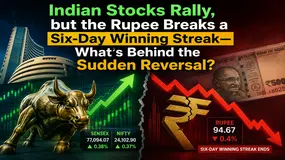
Indian Stocks Rally, but the Rupee Breaks a Six-Day Winning Streak—What's Behind the Sudden Reversal
Indian stock indices today, i.e., June 22, 2026, recorded growth, with the BSE Sensex rising 297.11 points to 77,094.07, recording a 0.38% jump. On the other hand, the NSE Nifty hit approximately 24100, largely aided by broad-based purchases across sectors, except for consumer durables and fast-moving consumer goods (FMCG). The Nifty grew by 89.80 points (0.37%+) to 24,102.90.
WikiFX Broker
Latest News
Review 2026: Interactive Brokers Regulation, Complaints, and Platform Access
WikiFXReview 2026: STMARKET Regulation, MT5 Access, and Withdrawal Complaint
WikiFXHow the Bullet Theory Fixes the Habit of Overtrading
WikiFXEMIRAX MARKETS Review 2026: Unregulated Status, High Leverage, and Withdrawal Complaints
WikiFXEMAR MARKETS Review 2026: Complaints, High Leverage, and Withdrawal Risk Signals
WikiFXRCG Markets Review 2026: Is This Forex Broker Safe?
WikiFXThai Authorities Seize Assets in Forex Ponzi Investigation
WikiFXTrading the Forex Range: How to Find Boundaries and Avoid Middle Entries
WikiFXHMFS Review 2026: Should You Trade with This Broker?
WikiFXDSI Exposes Alleged Forex Empire Behind Billion Baht Scam, Money Laundering and Political Connection
WikiFXRate Calc

