When the Licence Disappears: What Traders Overlook About Their Brokers

Abstract:In the foreign exchange and online trading industries, regulation is often referred to as a technical requirement. Yet for traders of all levels, a broker’s regulatory status is one of the most fundamental markers of safety and transparency. When a broker loses its licence, it is never a minor administrative event. It signals structural problems that can place client funds and trading conditions at significant risk. Understanding why brokers lose their licences, what it means, and how traders can stay informed is essential in today’s rapidly shifting financial landscape.
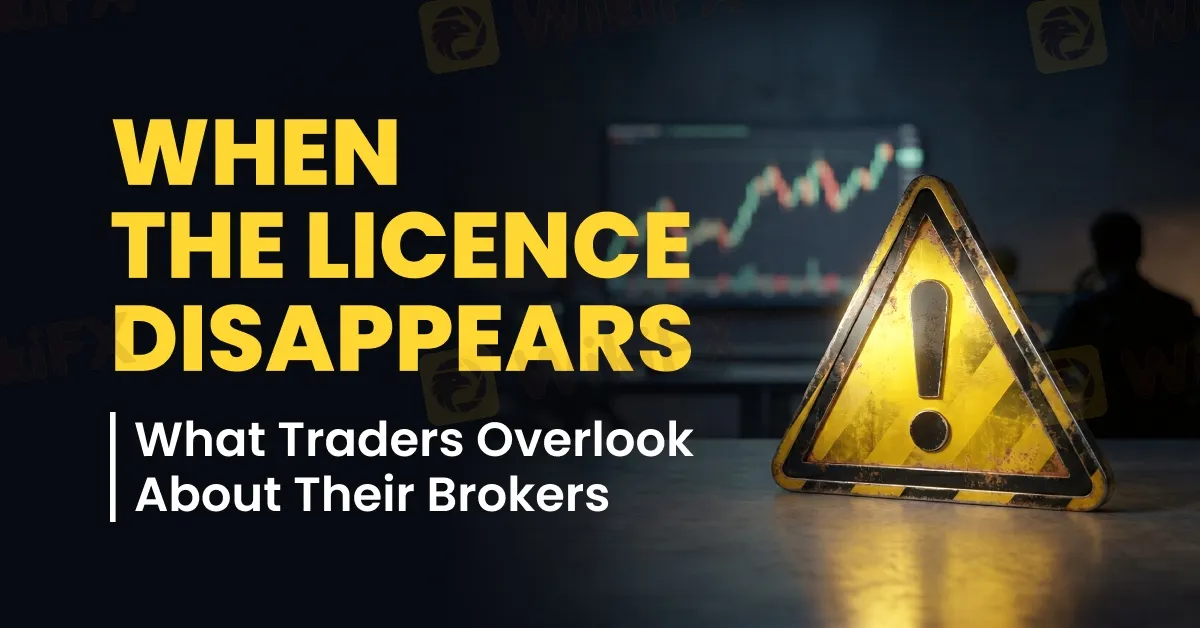
In the world of online trading, most investors focus on spreads, leverage, and market trends, yet few pause to consider the single factor that can instantly turn a profitable strategy into a costly disaster: a broker losing its licence. Behind the polished websites and glossy promises, a revoked or suspended licence signals deeper operational, financial, or ethical issues that can put client funds at immediate risk. For traders, ignoring these warning signs is a gamble no strategy can hedge against.
Why Regulation Matters
Regulators exist to protect market integrity and ensure brokers operate with fairness, adequate capital, and responsible conduct. Bodies such as the Financial Conduct Authority in the United Kingdom, the Australian Securities and Investments Commission, and the Cyprus Securities and Exchange Commission enforce strict rules that govern how brokers handle client funds, execute orders, report financials, and manage risk.
A licence is therefore more than a badge of approval. It is a legally binding framework that forces brokers to act responsibly. When that licence is revoked, suspended, or allowed to lapse, it raises serious questions about the firms financial stability, compliance culture, or operational transparency.
Why and How Brokers Lose Their Licences
Brokers do not lose their licences overnight. The process usually reflects a pattern of misconduct, negligence, or financial weakness. While each regulatory body has its own procedures, the core reasons are remarkably consistent across jurisdictions.
- Financial Mismanagement
Regulated brokers must maintain sufficient capital reserves to protect clients in periods of market volatility. When a firms financial health deteriorates or it fails to meet minimum capital requirements, regulators may step in. In extreme cases, the broker may have misused client funds, commingled accounts, or taken on excessive leverage, all of which can result in a licence being withdrawn.
- Operational Irregularities
Regulators require brokers to provide accurate, timely financial reporting and demonstrate robust internal controls. Incomplete audits, falsified records, or unresolved discrepancies are treated as serious violations. Persistent failure to meet these requirements often leads to suspension or revocation.
- Misconduct and Unethical Practices
If a broker is found to be manipulating prices, offering misleading information, engaging in unfair trading practices, or failing to provide best execution, regulators act decisively. These types of violations directly harm traders and are among the most common causes of licence termination.
- Failure to Adhere to Client Protection Rules
Brokers must segregate client funds from operational capital, provide compensation coverage where applicable, and follow strict withdrawal and complaint handling procedures. A breach of any of these obligations can trigger immediate regulatory action.
- Voluntary Surrender or Relocation
Sometimes brokers surrender their licences voluntarily due to restructuring, relocation, or changes in business focus. While not always sinister, a sudden surrender should still prompt traders to investigate the reasons carefully, as it often precedes deeper financial trouble.
What Licence Loss Means for Traders
When a broker loses its licence, the consequences can be severe for traders, even if the company attempts to downplay the situation. Traders must recognise the risks clearly.
Loss of Legal Protection
Without regulatory oversight, traders lose access to dispute resolution mechanisms, compensation schemes, and official avenues to recover funds if problems arise.
Increased Withdrawal Risk
Financially distressed brokers frequently delay or block withdrawals. Licence loss often precedes insolvency, meaning client funds may be at risk of being frozen or lost entirely.
Deterioration of Trading Conditions
Unregulated brokers may change contract terms without notice, widen spreads excessively, reduce platform stability, or manipulate price feeds, as there is no regulator ensuring fair operation.
Exposure to Fraud
A broker without oversight can engage in practices that would otherwise be illegal. In some cases, firms that lose their licences rebrand, relocate offshore, and continue to solicit clients without disclosure.
For traders, dismissing these risks can be catastrophic. A licence is not a formality; it is the backbone of trust in a broker–client relationship.
Why Traders Should Never Overlook Regulatory Changes
The online trading industry is increasingly global, fast moving, and competitive. Brokers open, close, relocate, or reclassify their operations frequently. For traders, staying alert to regulatory changes is not simply recommended; it is necessary self defence.
Many traders only check a brokers licence at the account opening stage, then assume nothing will change. This is a dangerous mistake. A broker can lose its licence months or years after a trader begins using its services, and without active monitoring, clients may only discover the problem once it has already affected their funds.
How WikiFX Helps Traders Stay Informed
In an environment where regulatory updates can be hard to track, platforms like WikiFX play an important role. Designed as a global regulatory verification and risk assessment tool, WikiFX helps traders stay informed about any change in a brokers status.
Real Time Regulatory Tracking
WikiFX monitors regulatory databases across multiple jurisdictions and alerts users if a brokers licence changes, expires, is suspended, or is revoked. This ensures traders do not miss crucial updates.
Comprehensive Broker Profiles
Each brokers profile includes regulatory licences, historical changes, office locations, years of operation, risk warnings, and user feedback. This allows traders to identify inconsistencies or red flags.
Risk Ratings and Compliance Analysis
Through its risk rating system, WikiFX evaluates brokers based on regulatory strength, operational transparency, history of complaints, and corporate structure. A declining rating can act as an early warning signal.
User Reports and Exposure Section
Traders can view or submit complaints regarding withdrawal issues, suspected fraud, or misconduct. This crowdsourced information helps others stay ahead of potential risks.
Final Thoughts
A brokers licence is not merely a formal requirement but a critical layer of protection for traders. When a firm loses its licence, it often reflects deeper issues that can jeopardise client funds and trading integrity. In a market environment filled with new entrants and shifting regulations, traders must stay vigilant. Tools such as WikiFX provide the transparency, monitoring, and global oversight needed to navigate the industry safely.
In trading, knowledge is protection, and awareness of regulatory status can make the difference between a secure trading experience and a costly mistake.

Read more
FINEX Review: A+++ Rating Does Not Remove Risks - How to Read Spread, Withdrawals & Other Aspects
FINEX review 2026 for readers comparing an Indonesia forex broker: understand what Bappebti's A+++ rating does and does not show, then check floating spreads, withdrawals, segregated accounts and the complaint route for PT Finex Bisnis Solusi Futures.
Tier 1 Liquidity Forex in 2026: What Institutional Really Means for a Broker
Choosing a tier 1 liquidity forex is not a search for the lowest displayed spread or the longest provider list. It is a broker decision about pricing integrity, depth, routing, credit, reporting, incident response, and client communication. This 2026 guide explains how an institutional liquidity provider, bank liquidity forex, or interbank liquidity provider arrangement fits into a broker’s execution chain; what to test before onboarding; why a “best tier 1 liquidity forex” claim cannot replace due diligence; and how to compare cost beyond commission. Use the execution-quality scorecard, provider questions, routing scenarios, and 90-day onboarding plan to assess whether a liquidity relationship can support your actual client mix, instruments, risk model, and jurisdiction. The goal is not to make a universal ranking. It is to build evidence that your broker can explain, supervise, reconcile, and recover its execution service when market conditions are difficult.
MIFX Review 2026: How to Read Spreads, Withdrawal Rules and the Complaint Route
MIFX review 2026: understand published commissions and spreads, the withdrawal process, Instant Withdrawal conditions, and the PT Monex Investindo Futures complaint route without turning community discussion into factual allegations.
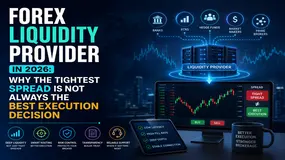
Forex Liquidity Provider in 2026: Why the Tightest Spread is Not Always the Best Execution Decision
Choosing a forex liquidity provider is not a search for the lowest displayed spread or the longest provider list. It is a broker decision about pricing integrity, depth, routing, credit, reporting, incident response, and client communication. This 2026 guide explains how a forex LP, FX liquidity provider, or liquidity provider forex arrangement fits into a broker’s execution chain; what to test before onboarding; why a “best forex liquidity provider” claim cannot replace due diligence; and how to compare cost beyond commission. Use the execution-quality scorecard, provider questions, routing scenarios, and 90-day onboarding plan to assess whether a liquidity relationship can support your actual client mix, instruments, risk model, and jurisdiction. The goal is not to make a universal ranking. It is to build evidence that your broker can explain, supervise, reconcile, and recover its execution service when market conditions are difficult.
WikiFX Broker
Latest News
Just Markets Review: 1.82 Score and No Regulation Despite Positive Reviews
WikiFXTier 1 Liquidity Forex in 2026: What Institutional Really Means for a Broker
WikiFXFizmo Fx Markets Review 2026: Unregulated Status and Withdrawal Complaints
WikiFXWhy Elections Make Currencies Swing Harder Than You Expect
WikiFXUS PPI Cools, but the Core Number Tells a More Complicated Story
WikiFXSingapore Nabs 270 Suspects in RM17 Million Scam Bust
WikiFXBX Trade Review: Is a $1 Minimum Deposit Worth the No-Regulation Risk?
WikiFXWhy Importers Panic When Dollars Dry Up, and Why You Should Care
WikiFXRinggit climbs vs US dollar as markets await inflation data
WikiFXFINEX Review: A+++ Rating Does Not Remove Risks - How to Read Spread, Withdrawals & Other Aspects
WikiFXRate Calc

