Understanding NFP | Stay Informed with WikiFX

Abstract:The release of U.S. Non-Farm Payroll (NFP) data is one of the most closely watched events in the foreign exchange market. But what exactly is NFP, and why does it matter so much to traders? This article explores the significance of NFP, its impact on financial markets, and how WikiFX provides tools to help you stay on top of this and other high-impact economic events.
Non-Farm Payroll (NFP)?
Non-Farm Payroll (NFP) refers to a key U.S. labour market report that tracks employment changes in sectors excluding agriculture, private households, nonprofit organizations, and the military. The data provides insights into the overall health of the U.S. economy.
An NFP release typically includes several components, such as:
- Number of new non-farm jobs created
- Unemployment rate
- Employment rate
- Average hourly wage growth
- Labour force participation rate
The Bureau of Labour Statistics (BLS), under the U.S. Department of Labour, publishes the report monthly, usually on the first Friday of each month at 8:30 a.m. Eastern Time, reflecting employment statistics from the previous month.
Why is NFP Important?
The NFP report is a critical measure of economic activity in both the manufacturing and service sectors. It serves as a major indicator for the U.S. Federal Reserve (Fed) in evaluating the economy and adjusting monetary policy.
The Feds two primary goals are:
- Controlling inflation
- Promoting maximum employment
Because employment is central to these goals, the NFP report carries significant weight in monetary policy decisions. Among the reported figures, the number of new jobs created and the unemployment rate are most closely watched by traders and policymakers alike.
Market Impact of NFP
Financial markets react strongly to NFP releases, particularly when the actual results differ from market expectations.
- Stronger-than-expected data generally signals a healthy economy, leading to higher consumer spending and a stronger U.S. dollar.
- Weaker-than-expected data often points to economic slowdown or recession fears, which can weaken the dollar and drive volatility across asset classes.
This heightened volatility affects not only the foreign exchange market but also commodities, U.S. equities, and global financial markets. As such, the period immediately before and after an NFP release is often marked by sharp price movements, creating both risks and opportunities for traders.
How Traders Use NFP Data
Traders analyze the difference between the actual figures and both the previous and forecasted values to gauge market sentiment. By anticipating how the market will react, traders can develop strategies to capitalize on short-term price swings.
Staying Updated with WikiFX Tools
To help investors and traders stay informed, WikiFX offers several free tools designed to make tracking economic events easier:
1. WikiFX Financial Calendar
Accessible via the WikiFX Financial Calendar, this tool organizes all upcoming and past economic events in chronological order. Each event includes:
- Importance level
- Previous value
- Forecasted value
- Actual reported value
- Degree of change
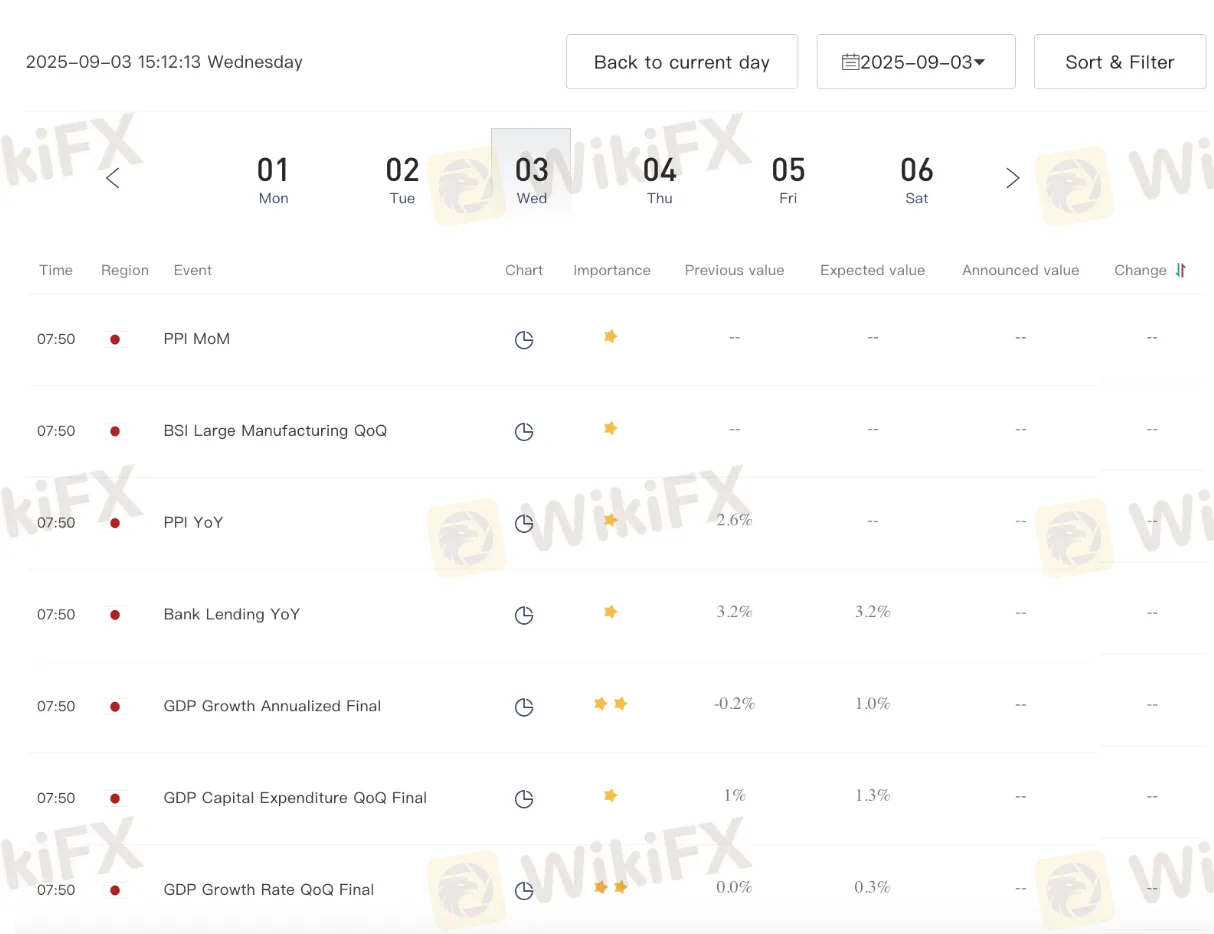
The calendar allows users to view both past and upcoming events, making it a valuable resource for planning trading strategies.
2. WikiFX 24/7 News Flash
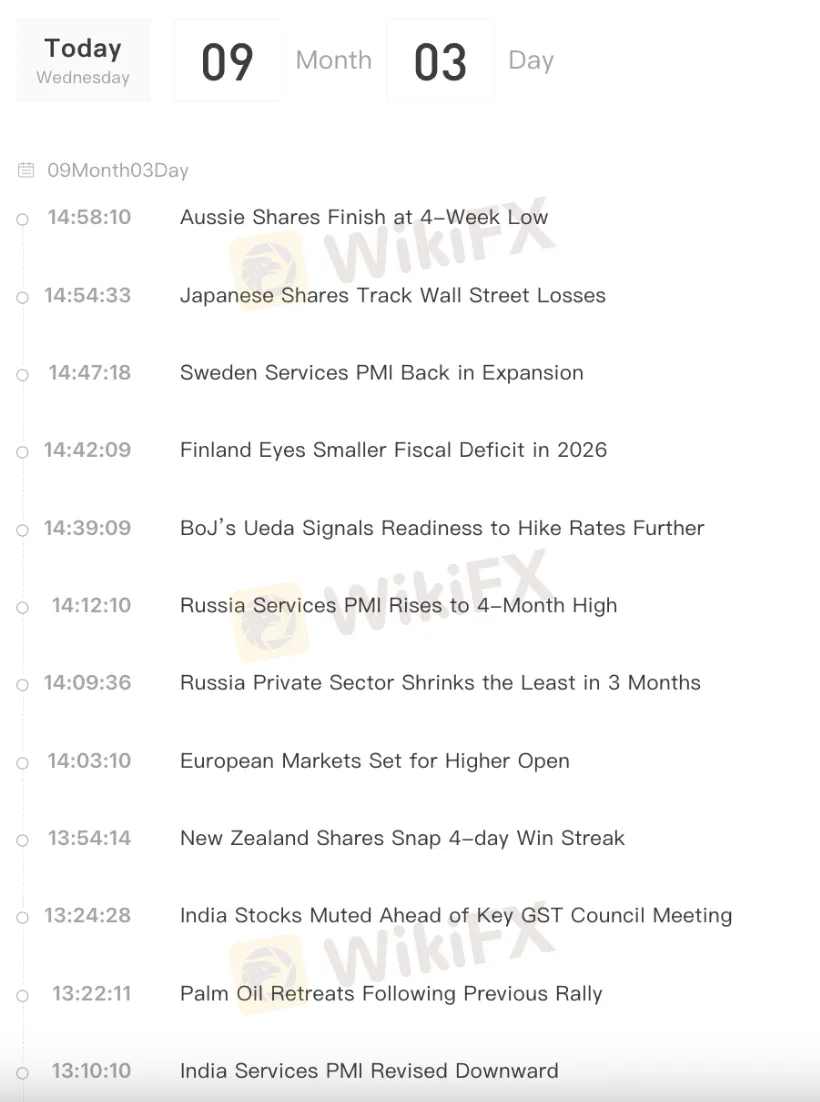
The WikiFX News Flash provides real-time updates in concise, easy-to-read summaries. Users can set voice reminders and desktop notifications, ensuring they never miss important events. This feature is especially useful for traders who prefer quick updates without reading lengthy reports.
3. WikiFX Mobile App
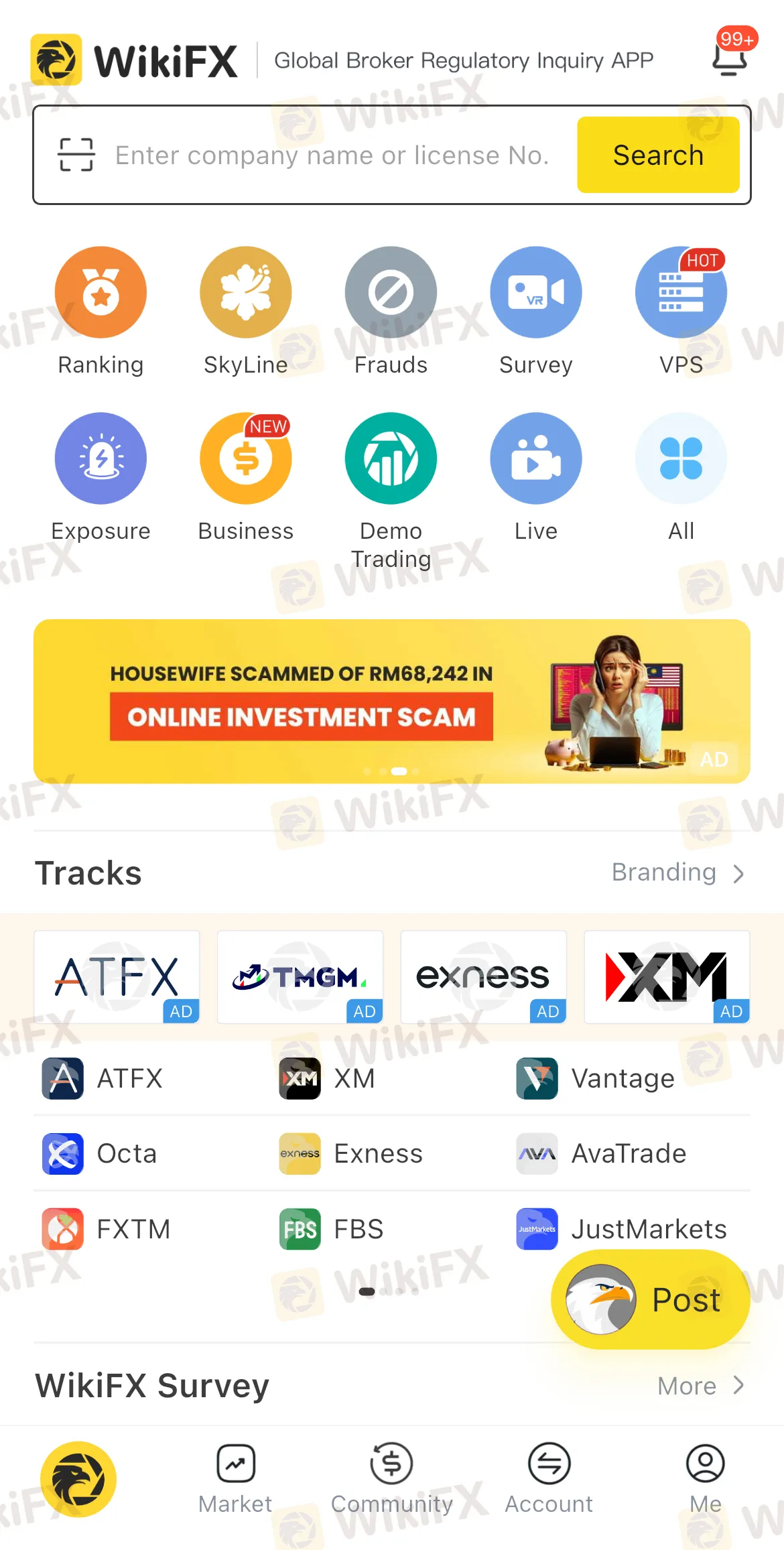
Both the Financial Calendar and News Flash features are available on the free WikiFX mobile app, which can be downloaded from Google Play and the App Store. The app presents these tools side by side, allowing users to monitor the latest developments with a single scroll. This helps traders avoid being caught off guard by sudden market shifts and ensures they can seize opportunities promptly.
Conclusion
The U.S. Non-Farm Payroll report is one of the most influential economic indicators, shaping expectations for the U.S. economy and driving significant market volatility. For traders, staying updated on NFP releases is crucial to making informed decisions.
With tools like the WikiFX Financial Calendar and News Flash, monitoring high-impact events has never been easier. By staying informed, traders can better manage risks, identify opportunities, and enhance their trading strategies.

Read more
Tattvam Review 2026: Investigating Complaints Concerning Trade Executions
Did you encounter trade-related concerns with Tattvam, a Mauritius-based brokerage entity? Several users have reportedly accused the broker of cancelling profitable trades, allegedly citing scalping as the reason. At the same time, traders have reportedly expressed concerns over the lack of understanding among the broker officials about critical trading aspects such as copy trading. In this Tattvam review, we have carefully examined user-reported allegations. Additionally, we have given a regulatory overview of the broker.
suxxessfx Review 2026: Funds Worth $5K-$42K Reportedly Lost. Check Our Investigation!
suxxessfx, a Seychelles-based brokerage entity, grabbed massive ire from traders on broker review platforms such as WikiFX, a globally recognized forex broker regulation inquiry app. Exposure reports have revealed fund losses worth over $5K-$42K on the broker’s trading platform. This suxxessfx review examines serious user allegations and its regulatory status. Read on!
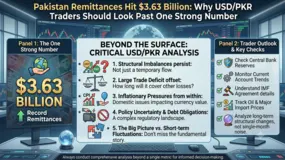
Pakistan Remittances Hit $3.63 Billion: Why USD/PKR Traders Should Look Past One Strong Number
Pakistan remittances reached $3.631 billion in July 2026, up 13% year on year and 4.5% from June, according to the latest State Bank of Pakistan data release. The SBP remittances update is a useful external-sector input, but it is not a currency forecast. This guide explains what the inflow can mean for the Pakistan forex market and USD PKR, and what it cannot prove about the next Pakistan rupee move.
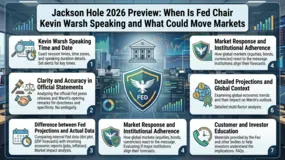
Jackson Hole 2026 Preview: When Is Fed Chair Kevin Warsh Speaking and What Could Move Markets
Fed Chair Kevin Warsh is listed to deliver Jackson Hole keynote remarks on 28 August 2026. See the schedule, market scenarios and USD-gold watchlist.
WikiFX Broker
Latest News
BOLD PRIME Review 2026: Regulation Warnings, Withdrawal Complaints, and Account Access Risks
WikiFXEC Markets Marketing Director Nick Xydas Steps Down
WikiFXFXDD Malta Licence Ends: What Traders Need to Know
WikiFXForest City Scam Raids Raise Fresh Warning for Malaysian Property Owners
WikiFXTikTok Romance Bait Drains Retiree RM290,000 Life Savings
WikiFX20 Chinese Arrested Over Love Scam in Penang
WikiFXAUS GLOBAL Broker Review: Regulated but is it Safe for Traders?
WikiFXBill Gates Warns the World Is Not Ready for AI's Biggest Risks
WikiFXQ2 2026 Trading Volume Falls 11% as Trade Count Drops 23%
WikiFXSingapore Bleeds S$410 Million to Scams in Six Months
WikiFXRate Calc

