Bhutan Launches Crypto Tourism Payment System with Binance

Abstract:Bhutan introduces the worlds first national crypto tourism payment system in partnership with Binance, allowing tourists to pay with over 100 cryptocurrencies.
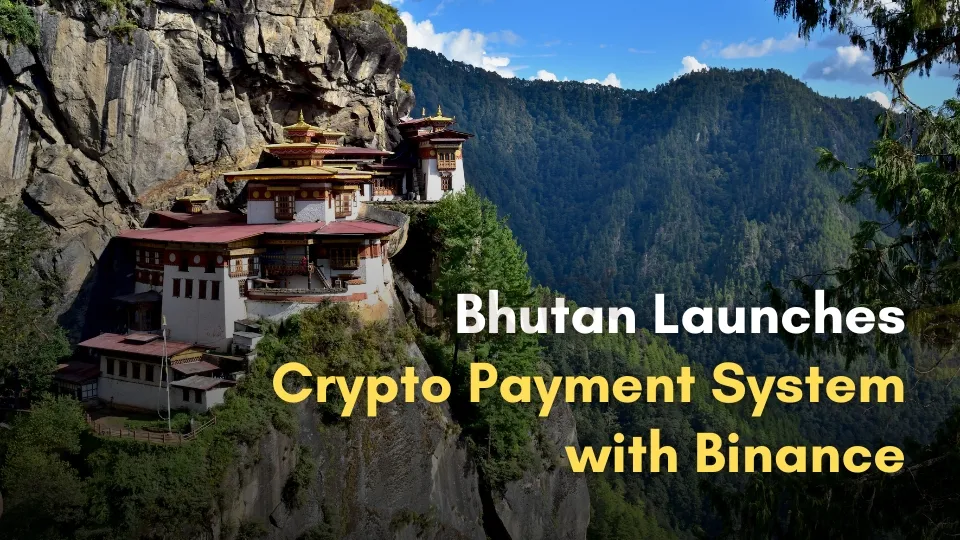
Bhutan, a small Himalayan nation with a big vision for cryptocurrencies, has launched an innovative crypto payment system that promises to reshape its tourism landscape. Teaming up with Binance Pay and DK Bank, the country is rolling out a system that lets travelers use over 100 digital currencies—think Bitcoin, USDC, and Binances BNB—for everything from booking hotels to hiring tour guides or buying local crafts. Announced by Binance on May 7, this move marks a significant leap toward blending digital finance with travel.
For tourists, the system is a game-changer. Those with a Binance account can settle bills directly from their crypto wallets, sidestepping the hassle of exchanging money or carrying cash. Its a streamlined experience that caters to tech-savvy globetrotters, making Bhutan an even more attractive destination. But the real impact lies in how it empowers local businesses, especially in far-flung corners of the country where traditional banking is scarce.
Empowering Rural Entrepreneurs The heart of this initiative is its focus on small-scale vendors and artisans, particularly in Bhutan‘s remote villages. Many of these businesses have never had access to card machines or digital payment tools. Now, with just a smartphone and a QR code, they can accept crypto payments from international visitors. Binance put it succinctly: “Even Bhutan’s most remote businesses can now accept crypto through a phone, gaining access to international travelers with just a QR code.” This opens up new revenue streams and brings global tourism dollars to local economies.

The system is designed to be user-friendly, ensuring that even those unfamiliar with crypto can participate. For Bhutan‘s tourism sector, it’s a step toward inclusivity, connecting rural entrepreneurs with the global market in ways that were previously out of reach.
A Global First in Crypto Tourism Bhutan‘s tourism department and Binance are calling this the “world’s first national-level crypto tourism payment system.” Unlike earlier crypto payment experiments, this one is comprehensive, offering real-time transaction confirmations and ultra-low fees. DK Bank, a trusted local institution, handles settlements, adding a layer of security and reliability. Binance CEO Richard Teng sees it as more than a payment tool: “This initiative exemplifies our commitment to innovation and our belief in a future where digital finance empowers global connectivity and enriches travel experiences.”
This system sets Bhutan apart as a trailblazer, showing how a nation can fully integrate crypto into a key industry. Its a model that could inspire others to rethink how digital currencies fit into global travel.
Bhutan‘s Crypto Ambitions The payment system dovetails with Bhutan’s broader push to embrace digital assets. Through Druk Holding and Investments (DHI), the country has built a substantial crypto portfolio, including over 12,000 BTC, according to Arkham data. Beyond Bitcoin, Bhutan holds assets on blockchains like Polygon, BNB Chain, and Base, signaling a diversified approach. Since at least 2019, the government has been mining and investing in crypto, aiming to create a robust economic foundation.
Yet, Bhutan‘s crypto journey isn’t without caution. In 2020, the Royal Monetary Authority warned against the Pi cryptocurrency, urging the public to be wary of untested digital assets. This balance of innovation and prudence defines Bhutans approach as it navigates the evolving crypto landscape.
A Blueprint for the Future By launching this crypto tourism payment system, Bhutan is not just enhancing its tourism appeal—its setting a global standard. The initiative showcases how digital currencies can drive economic inclusion, spark innovation, and make travel more seamless. As Bhutan continues to pioneer crypto adoption, it offers a compelling vision for how nations can harness blockchain technology to connect cultures and economies, paving the way for others to follow.

Read more
TopFX Review 2026: Profits Earned, Account Terminated, Withdrawal Denied? Check This Investigation
TopFX, a Cyprus-based brokerage entity, continues to face user allegations globally, including those in South Asia. While complaints against the firm are on several issues, the one that is very concerning is the alleged account termination following a withdrawal request by traders upon profit generation on the platform. Traders have even opposed deposit delay and operational glitches concerning leverage. In this TopFX review, we have examined wide-ranging allegations against the broker while also sharing its regulatory framework for an informed decision-making experience.
IQ Option Review 2026: Am I Supposed to Deposit Only? What About My Withdrawals?
This is what many traders are asking while trading with IQ Option, an Antigua and Barbuda-based brokerage entity. Their wrath is evident through massive negative reviews on several broker review platforms. WikiFX, a widely recognized forex broker regulation inquiry tool, itself recorded over 120 complaints from users worldwide. The complaints largely highlight the alleged withdrawal denial by the broker. Users have deposited millions but allegedly failed to withdraw funds when they needed to. While they may just be allegations and not an established fact, they are worth looking at, considering a large volume of complaints pointing to a potential investment scam. In this IQ Option review 2026, we have examined several complaints while providing an overview of the company’s regulatory framework.
Centinary Review 2026: I Earned $496,000, but Was I Able to Receive It? Read This Report!
Centinary, a new age broker, has managed to receive quite a bit of user reviews recently. However, all these reviews accuse the broker of robbing users’ funds. From loss of yuan to dollar, traders have been complaining about the alleged hassles faced while withdrawing funds from the Centinary platform. In this Centinary review article, we will take you through the complaints users have made in 2026.

TRANS X MARKETS Review 2026: I Lost as Much as $40K. One of Many Verified User Allegations
This allegation representing fund loss worth $40,000 came from a verified Indian user on a trusted platform such as WikiFX. However, this is not the only allegation from users across India and other regions. Many verified users have complained about the loss of access to withdraw profits from the TRANS X MARKETS platform. At the same time, we came across complaints about the withdrawal issue from the free software provided by the brokerage firm. In this TRANS X MARKETS review, we have examined these allegations while also giving you the company’s regulatory background.
WikiFX Broker
Latest News
Ipoh Businessman Loses RM1.25 Million in Crypto Group that Promised High Returns
WikiFXActivTrades Review 2026: Regulation, Complaints, and Withdrawal Risks
WikiFXAligning H4, H1, and M15 Charts for Clearer Intraday Forex Trades
WikiFXBuilding a Forex Strategy: What Beginners Get Wrong About Risk and Chart Patterns
WikiFXRisk Management for Beginners: How Margin and Stop-Losses Prevent Account Blowouts
WikiFXWikiEXPO Hong Kong 2026 Set to Open, Bringing Together Global Leaders in Fintech and Digital Finance
WikiFXAIPrime Showcases AI-Driven Trading Innovation at WikiEXPO Hong Kong
WikiFXU.S. Inflation Cools on Paper, But the Fire Still Burns
WikiFXEMAR MARKETS Review : FSCA Regulation, Complaints, and High-Leverage Risks
WikiFXFBS Review: Regulation, Complaints, and Withdrawal Risk Signals
WikiFXRate Calc

