NFP: What It Is and How It Moves the Forex Market

Abstract:The Non-Farm Payroll (NFP) report is one of the most important economic indicators in the Forex market. It shows the number of jobs added or lost in the United States, excluding the farming sector, government employees, and private household workers. The NFP is released on the first Friday of every month by the U.S. Bureau of Labour Statistics. Forex traders pay close attention to this report. It gives a clear view of the health of the U.S. economy
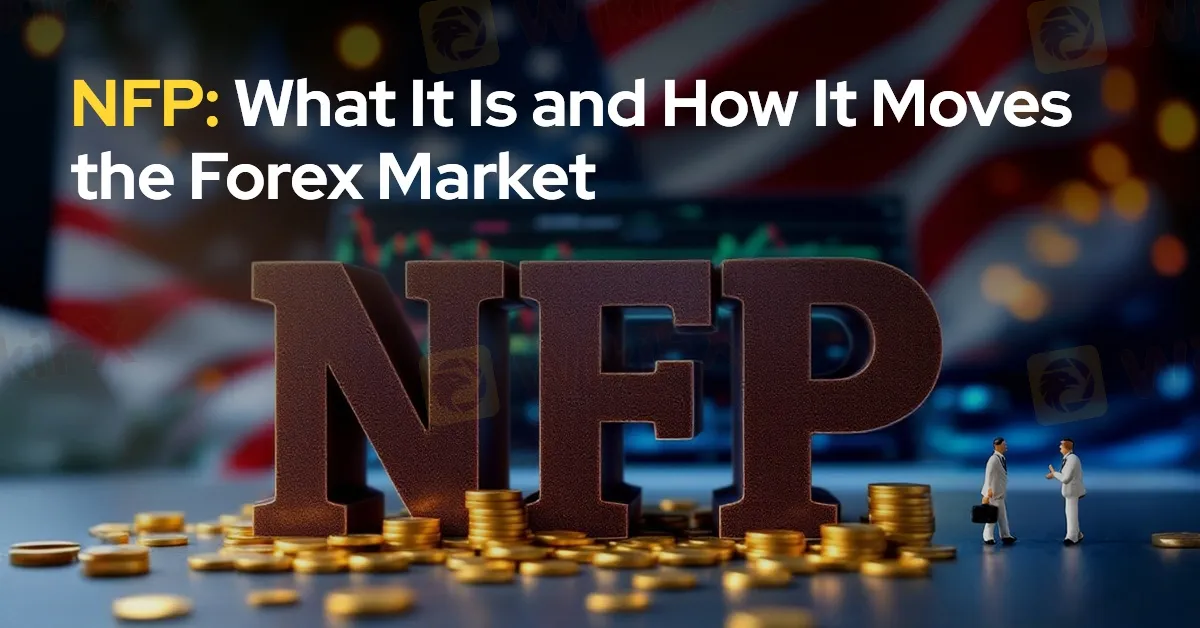
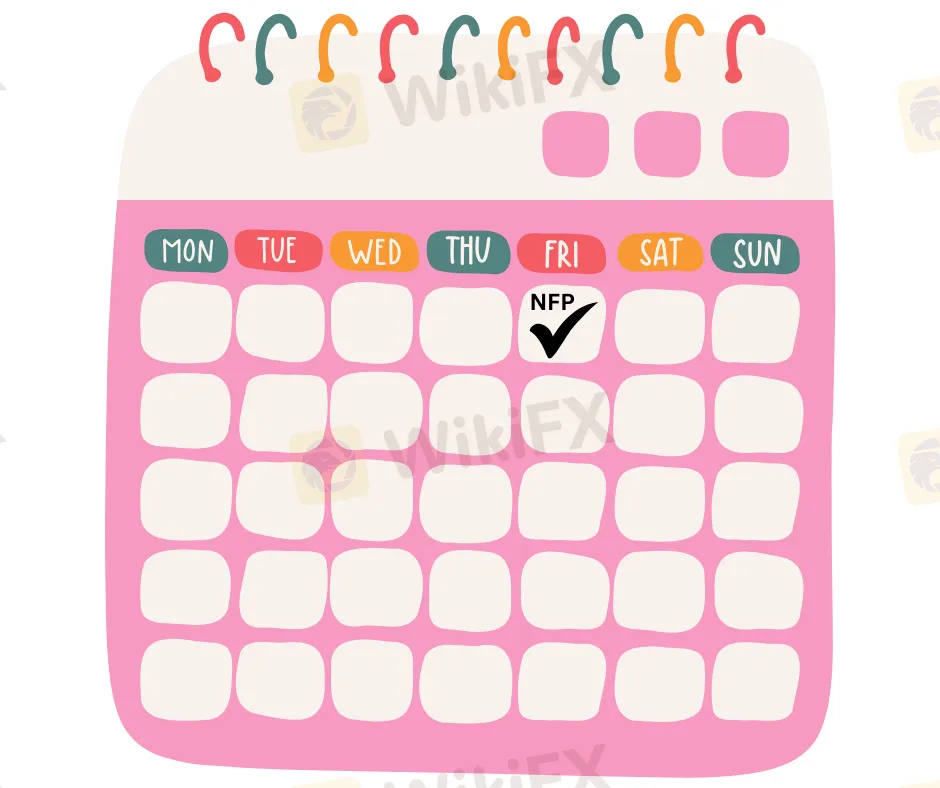
The Non-Farm Payroll (NFP) report is one of the most important economic indicators in the Forex market. It shows the number of jobs added or lost in the United States, excluding the farming sector, government employees, and private household workers. The NFP is released on the first Friday of every month by the U.S. Bureau of Labour Statistics.
Forex traders pay close attention to this report. It gives a clear view of the health of the U.S. economy. A strong NFP report signals economic growth. This often leads to a stronger U.S. dollar. A weak report can suggest economic struggles, which may weaken the dollar.
The NFP report often creates high volatility in the Forex market. Currency pairs that include the U.S. dollar, such as EUR/USD or USD/JPY, are usually the most affected. Before the report is released, traders try to predict its outcome. This speculation can cause market movement even before the data becomes public.
When the NFP figures are better than expected, the dollar usually strengthens. For example, if more jobs are added than forecasted, investors see this as a positive sign. They may buy the dollar, pushing its value higher. On the other hand, if the report shows fewer jobs than predicted, the dollar may weaken. Investors may sell the dollar, causing its value to drop.
Traders use the NFP to adjust their trading strategies. Some traders avoid the market during the release. The high volatility makes it risky. Others look for quick profits from price swings. The choice depends on a trader's risk tolerance and strategy.
Analysts also focus on other details in the report. They look at the unemployment rate and average hourly earnings. These numbers add more context to the NFP data. For instance, strong job growth with rising wages can have a bigger impact on the dollar. It shows not only economic growth but also inflationary pressure.
The NFP report affects central bank policies. The Federal Reserve monitors job growth as part of its decision-making process. Strong job growth may lead the Fed to raise interest rates. This can further strengthen the dollar. Weak job growth may cause the Fed to lower rates, weakening the dollar instead.
The NFP report is not only about numbers. It reflects the state of the U.S. economy. It also affects global markets. Forex traders must understand its impact. They should prepare for the market's reaction to this key economic release.
The next time you trade Forex, keep an eye on the NFP report. Its influence can be felt far beyond the U.S. borders. It is a report that no serious trader can afford to ignore.

Read more
Tattvam Review 2026: Investigating Complaints Concerning Trade Executions
Did you encounter trade-related concerns with Tattvam, a Mauritius-based brokerage entity? Several users have reportedly accused the broker of cancelling profitable trades, allegedly citing scalping as the reason. At the same time, traders have reportedly expressed concerns over the lack of understanding among the broker officials about critical trading aspects such as copy trading. In this Tattvam review, we have carefully examined user-reported allegations. Additionally, we have given a regulatory overview of the broker.
suxxessfx Review 2026: Funds Worth $5K-$42K Reportedly Lost. Check Our Investigation!
suxxessfx, a Seychelles-based brokerage entity, grabbed massive ire from traders on broker review platforms such as WikiFX, a globally recognized forex broker regulation inquiry app. Exposure reports have revealed fund losses worth over $5K-$42K on the broker’s trading platform. This suxxessfx review examines serious user allegations and its regulatory status. Read on!
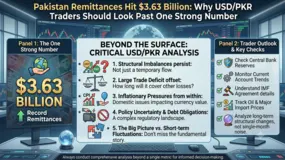
Pakistan Remittances Hit $3.63 Billion: Why USD/PKR Traders Should Look Past One Strong Number
Pakistan remittances reached $3.631 billion in July 2026, up 13% year on year and 4.5% from June, according to the latest State Bank of Pakistan data release. The SBP remittances update is a useful external-sector input, but it is not a currency forecast. This guide explains what the inflow can mean for the Pakistan forex market and USD PKR, and what it cannot prove about the next Pakistan rupee move.
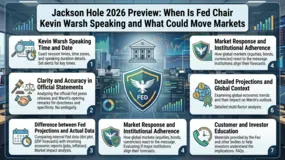
Jackson Hole 2026 Preview: When Is Fed Chair Kevin Warsh Speaking and What Could Move Markets
Fed Chair Kevin Warsh is listed to deliver Jackson Hole keynote remarks on 28 August 2026. See the schedule, market scenarios and USD-gold watchlist.
WikiFX Broker
Latest News
BOLD PRIME Review 2026: Regulation Warnings, Withdrawal Complaints, and Account Access Risks
WikiFXEC Markets Marketing Director Nick Xydas Steps Down
WikiFXFXDD Malta Licence Ends: What Traders Need to Know
WikiFXForest City Scam Raids Raise Fresh Warning for Malaysian Property Owners
WikiFXTikTok Romance Bait Drains Retiree RM290,000 Life Savings
WikiFX20 Chinese Arrested Over Love Scam in Penang
WikiFXAUS GLOBAL Broker Review: Regulated but is it Safe for Traders?
WikiFXBill Gates Warns the World Is Not Ready for AI's Biggest Risks
WikiFXQ2 2026 Trading Volume Falls 11% as Trade Count Drops 23%
WikiFXSingapore Bleeds S$410 Million to Scams in Six Months
WikiFXRate Calc

